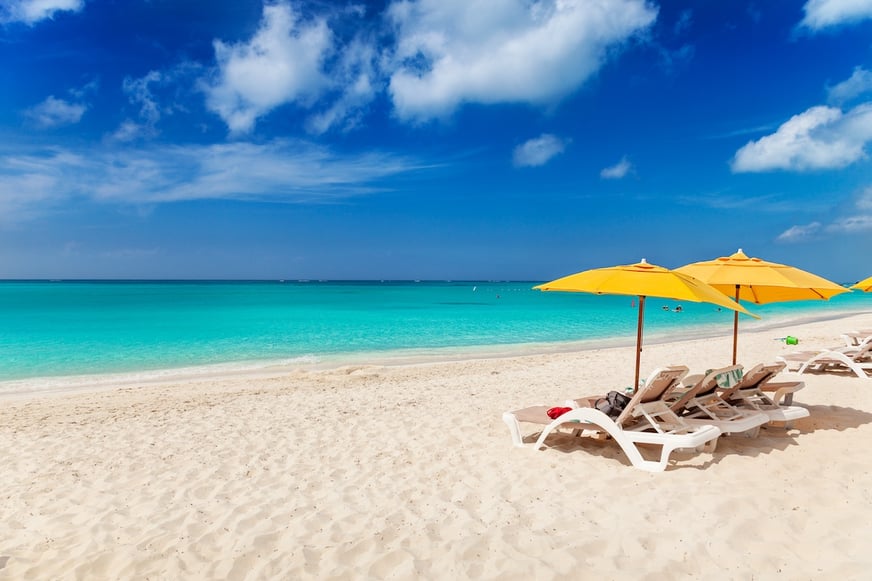
Nestled in the heart of the Caribbean, the Turks and Caicos are known for their white-sand beaches, clear blue waters, and vibrant marine life. From the calm shores of Grand Turk to the beauty of Grace Bay, these islands offer a laid-back escape and plenty of unforgettable moments.
However, like any destination, traveling to Turks and Caicos can come with its own set of challenges, such as medical emergencies or trip interruptions. This comprehensive guide will walk you through every aspect of traveling to Turks and Caicos, including health, visa, and insurance information, as well as tips to help safeguard your journey every step of the way.
Turks and Caicos Visa: Do You Need a Visa to Visit?
The Turks and Caicos Islands, a British Overseas Territory, have specific visa requirements depending on the nationality of travelers. Here’s a breakdown of who needs a visa and who doesn’t.
Countries Whose Citizens Do Not Need a Visa: Visa-free access for up to 90 days applies to travelers from:
- The United States
- Canada
- The United Kingdom
- Most EU countries (including France, Germany, and Italy)
- Australia, New Zealand, Japan, Singapore, and South Korea
Countries Whose Citizens Need a Visa: Citizens from the following countries are required to apply for a visa before traveling to the Turks and Caicos:
- India
- China
- Russia
- Certain African and Latin American countries.
Travelers from these countries are required to apply for a visa through the British High Commission or Embassy, or directly through the Director of Immigration.
Exemptions to the Visa Requirement: Certain travelers are eligible for specific visa exemptions. Citizens from countries that typically need a visa, such as India or China, do not need to apply for a Turks and Caicos visa if they hold a valid U.S. visa, U.K. visa, or Canadian visa. Travelers who are transiting through the islands (with an onward flight ticket) may not require a visa, depending on the circumstances of their travel.
Passport Validity: Ensure your passport is valid for at least six months beyond your intended departure date from Turks and Caicos.
Is Travel Insurance Mandatory for Turks and Caicos?
While travel insurance is not mandatory to enter Turks and Caicos, it is strongly recommended for all international travelers.
Medical facilities on the islands, especially in more remote areas like Grand Turk, are limited. If you require urgent care or an emergency evacuation, the costs can be substantial. It is essential to have emergency medical coverage, as the healthcare facilities may not be able to provide the care you need.
Travel insurance provides peace of mind, ensuring that your trip is protected in the event of a medical emergency or unplanned disruption.
Turks and Caicos Travel Insurance Requirements: What Kind of Travel Insurance Should You Get for Turks and Caicos?
When traveling to Turks and Caicos, there are two main types of travel insurance to consider:
1. Travel Medical Insurance
Travel medical insurance is essential if you are concerned about accessing healthcare during your trip. Common coverage typically includes:
- Emergency Medical Expenses: Costs associated with the treatment of illnesses or injuries incurred during your trip.
- Hospitalization and Doctor Visits: Costs associated with staying in a hospital or consulting a doctor for necessary treatment.
- Emergency Medical Evacuation: Coverage for transportation to a medical facility in case of a serious illness or injury.
- Repatriation of Remains: In the unfortunate event of the death of a traveler, this feature ensures that the remains are transported back to the deceased’s home country.
2. Travel Insurance
Travel insurance helps protect your financial investment in the event of unforeseen disruptions. Coverage typically includes:
- Trip Cancellations: Covers nonrefundable trip costs if your trip is canceled due to unforeseen circumstances, such as illness or family emergencies.
- Trip Delay: Reimbursement for expenses caused by delayed or canceled flights.
- Lost or Stolen Baggage: Protection for baggage that is delayed, lost, or stolen during travel.
- Trip Interruptions: Coverage if your trip is cut short due to an unexpected emergency.
- Cancel For Any Reason (CFAR): Cancel for Any Reason is an optional add-on coverage that allows you to cancel your trip for any reason and still get reimbursed for up to 50-75% of your non-refundable trip costs, on the condition that you cancel the trip at least 48 hours ahead of the departure date.
Do you need travel medical insurance or trip insurance? If your primary concern is medical coverage, travel medical Insurance is ideal. If you’re more concerned about trip costs and cancellations, comprehensive travel insurance would be a better choice.
How Much Does Turks and Caicos Travel Insurance Cost?
The cost of travel medical insurance for Turks and Caicos depends on several factors:
- Your age: Senior travelers tend to face higher premiums on insurance, compared to younger travelers.
- Duration of the trip: Longer stays will typically result in higher insurance costs.
- Type of coverage: Basic travel medical insurance is typically the most affordable option, while more comprehensive policies with trip cancellation coverage and medical evacuation benefits are generally more expensive.
- Activities: If you plan to engage in high-risk activities, such as scuba diving or hiking, you may need to purchase add-on coverage for these activities.
For trip insurance, the cost is typically calculated as a percentage of your total trip cost, usually ranging from 5-10%, occasionally up to 15% depending on coverage level. Adding CFAR coverage will increase the premium, but it gives you greater flexibility if you wish to cancel your trip for any reason.
Frequently Asked Questions About Turks and Caicos Travel Insurance
What to Know Before Your Trip to Turks and Caicos
Before your trip to Turks and Caicos, these key insights will help you plan with confidence:
- Currency: The official currency is the U.S. Dollar (USD). While credit cards are widely accepted, carrying some cash for taxis or local vendors is advisable, especially in less-developed islands.
- Transportation: Public transportation is virtually nonexistent. Most visitors rely on rental cars, taxis, or resort shuttles for transportation. Driving is on the left-hand side, and roads are generally in good condition.
- Culture: The Turks and Caicos Islands have a relaxed island atmosphere, blending Caribbean and British influences. Respect for local customs and privacy is appreciated; it is also polite to ask permission before taking photos of people or private property.
- Tipping: Tipping is customary. A 10–15% tip is standard in restaurants, unless it is already included in the bill. Hotel staff, tour guides, and taxi drivers also appreciate small gratuities.
- Electricity: The Turks and Caicos Islands use U.S. style plugs (types A and B) with a standard voltage of 120V. Travelers from other regions may need a plug adapter, but voltage converters are usually not necessary for North American devices.
Health and Safety in Turks and Caicos
The Turks and Caicos are considered a safe destination for tourists. However, as with any international location, there are certain risks to be aware of. Petty crimes, such as pickpocketing, can occur, especially in crowded areas. Always remain vigilant, particularly in tourist-heavy spots like Grace Bay.
While the Turks and Caicos offer pristine natural beauty, the lack of immediate medical facilities in more remote areas, such as South Caicos or Grand Turk, can pose challenges. It’s highly recommended to have medical evacuation coverage, especially if traveling to rural or isolated regions.
Most Common Tourist Accidents
The majority of incidents involve road traffic accidents, particularly with scooters and rental cars. Visitors often underestimate the challenges of driving on the left side of the road or navigating unfamiliar conditions. Helmets are not always worn, and injuries from scooter crashes are a frequent cause of emergency care.
Other common mishaps include:
- Slip-and-fall injuries around pools, beaches, or rocky walkways
- Water-related injuries from snorkeling or boating
- Marine stings or cuts from coral, sea urchins, or jellyfish
Medical facilities on Providenciales are adequate for routine emergencies, but services on more remote islands are limited. If you plan to visit these areas, it is strongly recommended to have travel insurance that includes medical evacuation coverage.
Road Safety in Turks and Caicos
Driving in Turks and Caicos can be an adventure, particularly outside the main urban areas. While major roads in Providenciales are paved, rural roads can be uneven or unpaved.
- Road Conditions: Urban areas are well-maintained, but off-road vehicles may be necessary when traveling in remote parts of the islands.
- Pedestrian Safety: As in any busy tourist area, exercise caution when walking through crowded markets or intersections.
- Vehicle Safety: If renting a car, ensure it is equipped for off-road conditions if you plan to visit more remote islands. Helmets are strongly recommended when riding scooters.
Wildlife and Nature in Turks and Caicos
Turks and Caicos is a paradise for nature lovers, offering incredible marine life, from vibrant coral reefs to an abundance of fish species. The islands’ rich marine ecosystem and unique wildlife make them an attractive destination for snorkeling, scuba diving, and eco-tourism.
Marine Life and Shark Safety in the Turks and Caicos Islands
Shark sightings are common in diving zones, but attacks are extremely rare. To stay safe, avoid swimming alone in remote areas, especially at dawn or dusk. Always follow the guidance of licensed snorkel and dive operators who understand local conditions.
When exploring, ensure that your travel medical insurance covers adventure activities, such as snorkeling or diving.
Natural Disasters in Turks and Caicos
While Turks and Caicos is generally a safe travel destination, like many Caribbean islands, it can be affected by natural disasters such as hurricanes.
- Hurricanes: The peak hurricane season runs from June to November. Travelers should stay informed about weather alerts during this period.
- Flooding: During heavy rainstorms, certain areas may experience flooding, particularly in low-lying regions.
Ensure your travel insurance includes protection against trip interruptions or cancellations due to natural disasters.
Travel Resources for Turks and Caicos
For more information on planning your trip, exploring top destinations, and staying safe, check out these helpful resources:
- Turks and Caicos Tourism: Offers up-to-date guidance on events, attractions, local customs, and travel tips.
- Turks and Caicos Ministry of Health: Provides health alerts and updates for travelers.
- US Department of State Travel Information: US Citizens traveling to the Turks and Caicos Islands can get key updates from the US government.
Where to Buy Travel Insurance for Turks and Caicos
You can easily buy travel insurance for Turks and Caicos in minutes from a reputable online travel insurance marketplace such as VisitorsCoverage. Comparing various plans ensures you select the best coverage for medical emergencies, trip cancellations, and other unforeseen events during your trip.
If you need help shortlisting a plan or have questions related to travel insurance, our licensed agents from our customer success team can provide assistance.