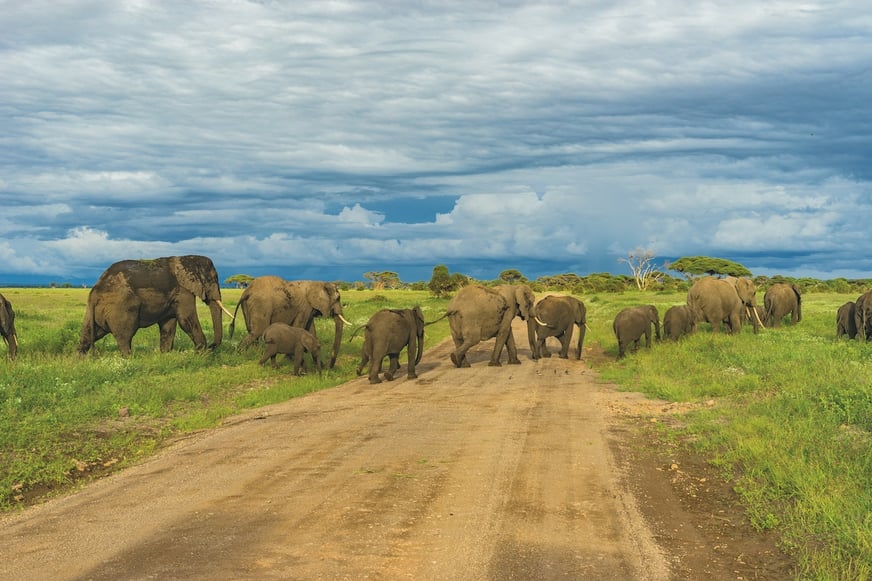
Travel Insurance for Tanzania

Travel Insurance for Tanzania
Tanzania Flag

Welcome

to Tanzania!

Tanzania offers an extraordinary blend of natural beauty and adventure. Here, you can witness the thunder of hooves during the Great Migration, stand at the foot of Mount Kilimanjaro, or lose track of time on the beaches of Zanzibar. From wildlife-rich national parks to bustling coastal towns, Tanzania is a place where every day brings something new.

Travel in Tanzania, however, is not without its curveballs. Remote safaris, unpredictable weather, and long travel distances can make even simple hiccups more complicated. That's why we've prepared this detailed guide to help you navigate everything from visas and vaccinations to travel insurance and smart travel tips so that you can focus on the experience, not the what-ifs.

Tanzania

Do You Need a Visa to Visit Tanzania?

Yes, most travelers do need a visa to enter Tanzania, unless they are from a visa-exempt country. Tanzania offers different visa types depending on your nationality, purpose of visit, and duration of stay. Tourists can either apply for a visa online (eVisa) before departure or obtain a visa on arrival at designated entry points like Dar es Salaam, Kilimanjaro, and Zanzibar airports.

Types of Tanzanian Visas:

  1. eVisa (available to most nationalities):
    1. Apply online via the official Tanzania Immigration website.
    2. Processing time is typically 10 business days.
    3. Applicants need a valid passport (minimum 6 months validity), a passport photo, return/onward flight details, and payment by card.
    4. The standard eVisa allows single or multiple entries and is usually valid for up to 90 days, depending on nationality and visa type.
  2. Visa on Arrival:
    1. Available for many travelers, including U.S., UK, EU, Canada, Australia, and several other countries.
    2. The visa is issued at immigration checkpoints upon arrival.
    3. Requirements include a valid passport, travel itinerary, return ticket, and payment in USD (exact amount recommended).
    4. Visa on arrival typically allows a stay of up to 90 days.

U.S. Citizens Visiting Tanzania

If you hold a U.S. passport, you are required to obtain a Multiple-Entry Visa, even for tourism. This visa:

  • Is valid for 12 months
  • Allows stays of up to 90 days per visit
  • Costs $100 USD
  • Can be obtained via eVisa or upon arrival
  • Does not require additional documents beyond the standard requirements for tourism (passport, photo, itinerary, etc.)

Even though visa on arrival is permitted, U.S. travelers are strongly encouraged to apply online in advance to avoid long queues and ensure a smoother entry experience.

Tanzania does not require a separate visa for Zanzibar, and the visa issued covers entry to both the mainland and the islands. All visitors should also check whether a yellow fever vaccination certificate is required, especially if arriving from or transiting through countries with risk of yellow fever virus transmission.

Key Requirements:

  • Passport: Ensure that your passport is valid for at least six months beyond the date you plan to enter Tanzania.
  • Yellow Fever Vaccination: Travelers arriving from countries with a risk of yellow fever transmission are required to carry proof of vaccination.
Travelers should check the latest visa eligibility and requirements on the official Tanzania Immigration website, as policies may change without notice.

Travel Insurance Requirement for Tanzania

While travel insurance is currently not mandatory for entry into mainland Tanzania, it is required for travelers visiting Zanzibar. In Zanzibar, all visitors must purchase insurance directly from the Zanzibar Insurance Corporation (ZIC).

In July 2025, the Tanzanian government announced plans to introduce a nationwide mandatory travel insurance policy starting January 2026. The proposed policy will apply to all foreign visitors and include a $44 fee for basic emergency medical coverage and related services. It is not yet clear whether mainland Tanzania will adopt the same restrictions as Zanzibar in terms of accepted insurance providers.

Regardless of these requirements, travelers are strongly encouraged to explore additional coverage options, particularly for adventure sports such as safaris, trekking Mount Kilimanjaro, or traveling to remote areas where medical services may be limited.

What Kind of Travel Insurance Should I Get for Tanzania?

When traveling to Tanzania, two key types of insurance should be considered:

1. Travel Medical Insurance

Travel medical insurance is crucial for protecting yourself against the high cost of unexpected medical care while abroad. Whether you experience an illness, injury, or require emergency evacuation, this coverage ensures you won't be left facing overwhelming medical bills. A typical plan includes:

  • Emergency Medical Expenses: Treatment for injuries or illnesses that may occur during your stay in Tanzania.
  • Hospitalization and Doctor Visits: Costs associated with hospital stays or doctor visits for medical treatment.
  • Emergency Evacuation: If you're in a remote area or on a safari, emergency evacuation coverage ensures you can be transported to a medical facility where you can receive the needed treatment.
  • Repatriation of Remains: In the unfortunate event of a death, this coverage helps return the insured's remains to their home country.

2. Trip Insurance

Trip insurance provides financial protection against unexpected disruptions that may impact your travel plans. If your trip to Tanzania is canceled, delayed, or interrupted due to unforeseen circumstances, like a family emergency or severe weather, this coverage helps you recover non-refundable expenses. A typical plan may include:

  • Trip Cancellations: Reimbursement for non-refundable expenses if you need to cancel your trip due to unexpected circumstances, such as a medical or family emergency.
  • Trip Interruptions: Covers unplanned interruptions to your travel plans, such as having to leave early due to an emergency.
  • Baggage Delay: Compensation if your luggage is delayed or lost during travel.
  • Missed Connections: Reimbursement for missed flight connections.
Opt for Travel Medical Insurance if you're primarily concerned about health-related issues during your trip. If you're more worried about covering costs for your trip itself, Trip Insurance is a better option.

How Much Does Tanzania Travel Insurance Cost?

The cost of travel insurance for Tanzania can vary depending on several factors, such as:

  • Trip Duration: The longer your trip, the higher the cost.
  • Traveler's Age: Older travelers typically face higher premiums due to the increased risk of medical issues.
  • Coverage Amount: More comprehensive insurance plans that cover a wider range of events tend to be more expensive.

The cost of travel medical insurance depends on factors such as the insured's age, trip duration, and the level of coverage selected. Typically, the longer the trip and the older the traveler, the higher the premium. On the other hand, trip insurance cost is calculated as a percentage of the total trip cost, and the premium will vary based on the overall trip expenses and the type of coverage selected.

You can use our free quote tool online to compare options based on your travel dates and needs. A travel insurance quote will display the prices of various plans based on your selected coverage options.

Safaris in Tanzania

Tanzania is one of the premier safari destinations in the world, home to the iconic Serengeti, Ngorongoro Crater, and vast, wildlife-rich conservation areas. Going on a non-hunting safari here feels like entering nature's grand theater, where animals roam freely and humans are respectful observers. To ensure your safari experience is smooth and rewarding, there are some key things you should understand before booking.

The insurance industry classifies 'safaris' as "guaranteed risk" activities. This means some insurance providers may consider safaris similar to adventure sports, which require specialized coverage.

Tanzania Safari Costs & Insurance: How Expensive Are Safaris in Tanzania?

Tanzania safaris can vary greatly in cost based on factors like duration, accommodation level, and the overall itinerary. Here's a rough breakdown of the pricing:

  • Budget Safaris: Typically priced at $150–$300 per person per day, budget safaris in Tanzania focus on essential accommodations and group tours.
  • Mid-Range Safaris: Costing around $300–$600 per person per day, these safaris offer more comfortable accommodations and can include private tours or slightly more luxurious lodging.
  • Luxury Safaris: These safaris range from $600 to over $1,000 per day and provide high-end accommodations, private guides, and exclusive wildlife experiences.

For example, a 15-day mid-range safari (~$400/day) could cost approximately $6,000, while a luxury safari could cost over $15,000 for the same duration. Ultra-luxury safaris with private guides, chartered flights, and high-end lodges can exceed $30,000+.

Tanzania Safari Insurance: A Smart Investment

If you're investing a significant amount in your safari, it makes sense to protect that investment. While insurance providers don't typically offer safari-specific plans, a comprehensive travel insurance policy can help you recover costs in case of unexpected issues. Here are some real-world situations where insurance could make a big difference:

  1. Stuck in the Wilderness: It's not uncommon for safari vehicles to get stuck in muddy or remote terrain, often in wildlife-heavy areas. While this might not require a full medical evacuation, it could cause significant delays and might require emergency assistance. Some travel insurance policies cover such non-medical evacuations under trip interruption benefits.
  2. Logistical Disruptions: Missed internal flights to game reserves, key staff no-shows, or delayed transfers can have a domino effect on the rest of your itinerary. Travel delay or interruption coverage may apply, but only if delays exceed 6 to 8 hours. Always review your policy's fine print for details on what qualifies.
As a general rule, if you've invested a significant amount of money in your Tanzania safari, especially for luxury trips or longer itineraries, it's highly recommended to insure your trip to protect against unexpected costs.

Recommended Trip Insurance Plans for Tanzania Safaris

Safari Safety Tips

When embarking on a safari in Tanzania, safety should always be your top priority. Here are a few important tips to keep in mind:

  • Always follow your guide's instructions. They are trained to ensure your safety, especially during close encounters with wildlife.
  • Stay inside your vehicle when observing animals, and avoid any attempts to approach or interact with them.
  • Be cautious of uneven terrain and fast-changing weather conditions, particularly in areas like the Serengeti or Ngorongoro, where roads can become challenging.

Frequently Asked Questions About Tanzania Travel Insurance

Q:

Do I need health insurance to travel to Tanzania?

While Tanzania does not require travelers to have health insurance, travel medical insurance is strongly recommended. It ensures you are covered for unexpected medical emergencies and evacuation, particularly in remote areas or during activities like safaris and climbing Mount Kilimanjaro.

Q:

Can I purchase travel insurance after arriving in Tanzania?

It's best to purchase travel insurance before departure to ensure you are covered for any incidents that may occur during your trip. Most policies do not cover events that occur before the policy becomes active, so securing insurance ahead of time ensures comprehensive protection from the start of your trip.

Q:

How do I purchase travel insurance for Tanzania?

You can purchase travel insurance for Tanzania online through trusted platforms, such as VisitorsCoverage, where you can compare various plans tailored to your specific needs. Select the coverage type that best suits your travel plans, whether it's for medical expenses, trip interruptions, or emergency evacuation.

Q:

Does my regular health insurance cover me in Tanzania?

In most cases, domestic health insurance from your home country does not provide coverage for international travel. Travel medical insurance is essential to ensure you are covered for emergency medical treatment and evacuation in case of unforeseen medical emergencies.

Q:

Is travel insurance necessary for safaris in Tanzania?

Yes, travel insurance is recommended for safaris in Tanzania. Emergency medical evacuation and coverage for trip cancellations or interruptions are essential, as safaris often take place in remote locations where medical help may not be readily available.

Is it Safe to Travel to Tanzania?

Tanzania is a relatively safe destination for tourists. However, there are certain risks associated with traveling in remote areas and national parks. Safaris and mountain climbing can expose you to health risks, so make sure you have comprehensive medical insurance that covers evacuation. Be cautious of wildlife in national parks and follow your guide's instructions at all times.

What to Know Before Your Trip to Tanzania

Before traveling to Tanzania, here are a few practical tips:

  • Currency: The official currency in Tanzania is the Tanzanian Shilling (TZS). While credit cards are accepted in major cities and tourist areas. Carry cash when traveling to rural or remote areas.
  • Culture: Tanzania is a culturally diverse country. When visiting religious sites or rural areas, dress modestly and respect local customs.
  • Transportation: Public transport is available in cities like Dar es Salaam, but for safaris and trips to national parks, private transport or guided tours are recommended.

Health and Safety in Tanzania

Healthcare in Tanzania ranges from well-equipped hospitals in urban areas to bare-minimum facilities in rural regions. It's crucial to have travel medical insurance that includes emergency evacuation if you're venturing into remote areas or climbing Mount Kilimanjaro.

  • Vaccinations: Ensure you're up-to-date on vaccinations, including yellow fever, which is a mandatory entry requirement for Tanzania.
  • Sun Protection: Tanzania's climate can be extremely hot and sunny, particularly in the Serengeti and Zanzibar regions. Protect yourself from the sun with sunscreen, hats, and regular hydration.

Road Safety in Tanzania

Driving conditions in Tanzania can vary. Urban areas like Dar es Salaam have paved roads, but rural areas and park roads may be unpaved and rough, making it important to travel in a 4x4 vehicle for safaris.

  • Road Safety Tips: Always be cautious when driving in unfamiliar areas, especially on bumpy safari roads or when navigating mountainous regions.
  • Pedestrian Safety: Avoid walking in poorly lit areas at night and use reputable transportation services.

Wildlife and Nature in Tanzania

Tanzania is famous for its wildlife, particularly in the Serengeti National Park and the Ngorongoro Crater, which host the Big Five and a wide variety of other species. However, there are inherent risks when encountering wildlife.

  • Safari Tips: Always follow the instructions of your guide to ensure your safety. Never attempt to approach wildlife, especially when on foot.
  • Health Risks: Be aware of the potential for malaria in rural areas. Take preventive measures, such as using insect repellent and sleeping under a net.

Natural Disasters in Tanzania

While Tanzania is not prone to many natural disasters, there are still some risks to consider:

  • Flooding: Heavy rains during the wet season (March-May) may lead to localized flooding.
  • Volcanic Activity: Mount Kilimanjaro and Mount Meru are active volcanoes, though eruptions are rare.

What to Do if You Become Ill or Injured in Tanzania

If you experience a medical emergency, follow these steps:

  1. Seek Immediate Medical Help: In case of a serious injury or illness, contact emergency services or head to the nearest hospital.
  2. Notify Your Insurance Provider: Contact your travel insurance provider to ensure your medical expenses are covered.
  3. Keep Documentation: Retain all receipts and medical records for insurance claims.

Travel Resources for Tanzania

For more information on planning your trip, here are some valuable resources:

  • Tanzania Tourism: Offers up-to-date travel information on destinations and activities.
  • US Embassy in Tanzania: US Citizens and residents can stay updated on alerts and other critical information

Where to Buy Travel Insurance for Tanzania

You can easily purchase travel insurance for Tanzania online through trusted insurance platforms like VisitorsCoverage. Comparing plans ensures you select the best option for your needs, whether you're focused on emergency medical coverage or protecting your trip investment.

Our licensed travel insurance experts from our customer success team are available to assist you with information and help clarify questions related to travel insurance for Tanzania.

Luna
VisitorsCoverage Support