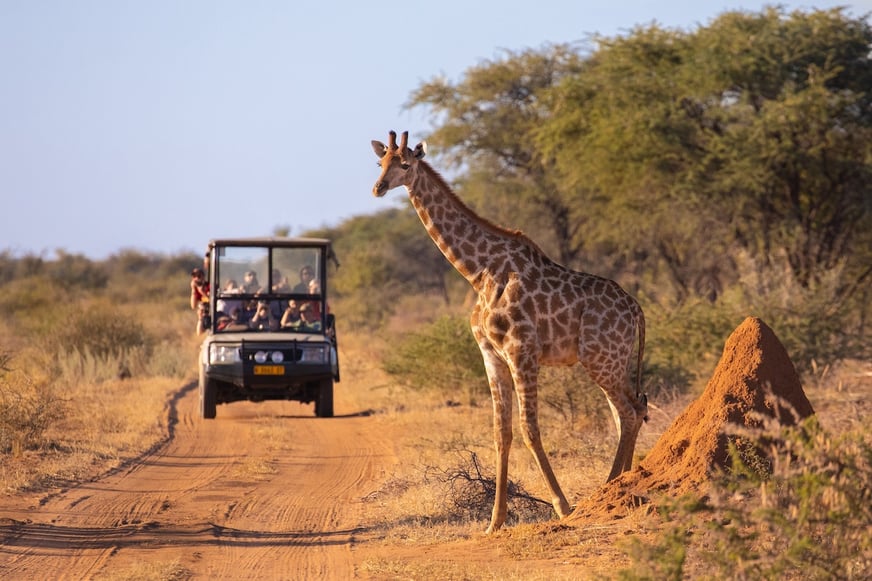
Going on an African safari is the kind of experience that lives in your memory forever. Picture this: you're in the back of an open-top vehicle, scanning the horizon as the sun rises over the savannah. A herd of elephants ambles past in the distance. Maybe you spot a pride of lions lazing in the morning light. It's an awe-inspiring blend of nature, adventure, and serenity that's hard to match anywhere else in the world.
But as thrilling as safaris can be, they also come with unique risks. Being far from modern infrastructure means you'll want to prepare carefully, from packing smart to choosing the right travel insurance. That way, you can explore with confidence, knowing that support is there if you need it, to make sure that your dream trip doesn't turn into a logistical or financial nightmare.
Best Time to Go on Safari in Africa, and Why That Matters for Insurance Purposes
Timing your safari right can make all the difference, not just for wildlife sightings but also for avoiding travel mishaps.
- Dry Season (June to October): The most popular time for safaris. Animals gather around water sources, making them easier to spot. Fewer mosquitoes, less rain, but also higher prices and crowded lodges.
- Wet Season (November to May): Expect lush landscapes and fewer tourists. However, some roads may be inaccessible, and heavy rains can cause delays or cancellations.
Why it matters for insurance:
- If you're traveling in the wet season, trip cancellation and delay coverage becomes especially important. It can help you recover prepaid costs if heavy rains disrupt your plans, so the weather doesn't have to derail your dream safari.
- During peak season, booking costs go up, so trip protection becomes more important to secure your financial investment.
What Type of Travel Insurance Should I Get for an African Safari?
Safaris are unforgettable adventures, but they're also logistically complex and often take you far from modern amenities. Whether you're tracking lions in the Serengeti or witnessing a wildebeest migration in the Maasai Mara, the right travel insurance can help you manage the risks that come with remote travel. Here's a breakdown of the two most important types of travel insurance to consider:
1. Travel Medical Insurance
On a safari, you may find yourself far from reliable medical care. While most trips go smoothly, knowing you have coverage for emergency care or evacuation can give you peace of mind, in case your trip doesn't. It's about making sure that if the unexpected happens, you'll get the help you need quickly and without overwhelming costs.
That's why travel medical insurance is essential; it protects you from the potentially high costs of emergency healthcare or evacuation.
A well-rounded travel medical plan should include:
- Emergency Medical Expenses: Covers treatment if you fall ill or are injured during your safari.
- Hospitalization and Doctor Visits: Pays for medical care you may need while in-country.
- Emergency Medical Evacuation: Critical if you're injured in a remote location and need airlifted transport to a major hospital.
- Repatriation of Remains: Should a tragedy occur, this coverage helps return remains to your home country with dignity and care.
2. Trip Insurance
Safaris can be a significant financial investment. Trip insurance helps protect that investment, covering the prepaid flights, tours, and accommodations that make your safari possible. It's the safety net that ensures one setback doesn't take away the adventure you've been planning.
A comprehensive trip insurance plan can include:
- Trip Cancellation: Reimbursement if you need to cancel for a covered reason (e.g., illness, injury, or a family emergency).
- Trip Interruption: Coverage if you have to cut your trip short due to an emergency.
- Baggage Delay or Loss: Compensation if your bags are lost, delayed, or damaged en route.
- Missed Connections: Reimbursement for missed internal flights or connections, especially when flying to remote lodges or national parks.
How Much Does Safari Travel Insurance Cost?
The price of safari travel insurance will depend on a few key factors:
- Length of Your Safari: Longer safaris usually mean higher premiums.
- Your Age: Senior travelers are often faced with higher premiums due to the adventurous nature of safaris, which may pose increased health risks.
- Coverage Type & Limits: Plans with higher policy limits or more inclusions (like Cancel For Any Reason coverage) will cost more.
- Trip Cost: For trip insurance, premiums are calculated as a percentage of your total trip cost, typically between 4% and 10%.
You can easily get personalized quotes and compare insurance plans on the VisitorsCoverage platform by entering your travel dates, destination, and preferences. This will give you a clear picture of your options, including pricing and coverage details, within minutes.
Whether you're on a modest group safari or a luxury private tour, having the right travel insurance ensures that the only thing you'll need to focus on is spotting the next elephant or leopard on the horizon.
Is a Safari Considered an Adventure Activity by Insurers?
Yes, in most cases, safaris are considered "adventure travel" or a high-risk activity by travel insurance providers.
What does that mean for you?
- Some basic travel insurance plans may exclude coverage for safari-related injuries or evacuations unless you add an adventure sports rider.
- If your safari includes walking treks, canoe rides, hot air ballooning, or off-road jeep excursions, make sure those are explicitly covered in your plan.
- Plans that cover safaris or adventure activities may cost a little more, but the added peace of mind is invaluable. You'll know you're fully covered for the experiences that make your safari truly unforgettable.
Before purchasing, please read the policy fine print or speak with a licensed insurance agent to confirm what's included.
How Much Does an African Safari Cost?
Safaris can be a once-in-a-lifetime adventure, and they're often priced accordingly. The total cost of your safari depends on a number of variables like the country you're visiting, how long you plan to stay, your accommodation type, and the kind of experience you're aiming for. Here's a general idea of what to expect:
- Budget Safaris: $150–$300 per person per day. These usually involve group tours, basic lodging (like tents or budget lodges), and limited inclusions.
- Mid-Range Safaris: $300–$600 per person per day. You'll get more comfortable accommodations, smaller group sizes, and possibly a private guide.
- Luxury Safaris: $600–$1,000+ per person per day. Think high-end lodges, gourmet dining, charter flights between game reserves, and exclusive wildlife access.
For example, a two-week mid-range safari could cost about $8,000 per person, while a luxury safari of the same duration could easily exceed $15,000. Ultimately, when a safari is a significant investment on your end, it makes sense to protect this investment with a layer of trip insurance. A modest expense, yet a wise decision. Trip insurance would protect the non-refundable parts of your trip and ensure that you do not lose the entire sum of money if plans get disrupted.
What to Pack for an African Safari
Packing for a safari isn't like packing for a city vacation. You're heading into remote areas, often for weeks at a stretch, so it's important to bring the appropriate gear. Your goal is to stay safe, comfortable, and prepared for unexpected changes in terrain or weather.
Here are some essentials to include in your safari packing list:
- Neutral-colored clothing (beige, olive, khaki): Helps you blend into the environment and stay cool.
- Lightweight long sleeves and pants: Great for sun protection and guarding against mosquitoes.
- Sun hat and sunglasses: The African sun can be intense; protect your eyes and skin.
- Sturdy, closed-toe shoes: Crucial for walking safaris or walking on rocky terrain.
- Personal first-aid kit: Include antiseptic wipes, painkillers, antihistamines, and any personal medications.
- Insect repellent: Mosquitoes can be a nuisance, and in some areas, they carry malaria.
- Binoculars and a camera: Essential tools for wildlife viewing.
- Travel insurance documents: Keep a printed and digital copy handy in case of emergency.
Safari Safety: How to Stay Safe in the Wild
While safaris are generally safe with reputable operators, the wild is unpredictable. Here are practical safety tips to keep your trip trouble-free:
- Listen to your guide at all times. They're trained to anticipate animal behavior and manage group safety.
- Stay inside the vehicle unless instructed otherwise. Most animals ignore vehicles, but stepping out can provoke a reaction.
- Avoid bright-colored or patterned clothing. It can attract insects or stand out to animals.
- Never feed or approach wildlife. Even herbivores can be dangerous if they feel threatened.
- Carry a refillable water bottle and stay hydrated. Safari climates can be dehydrating, especially in open-top vehicles.
A safari is more than just a vacation; it's an adventure. With the right insurance and preparation, you can focus on the thrill of the experience, knowing you're covered if the unexpected happens.
Getting the Right Insurance for Your Next Safari
Safaris are inherently complex trips. Insuring them can feel all the more overwhelming, with a myriad of factors to consider before choosing the adequate plan. If you'd like more information on insurance plans that cover safaris, please don't hesitate to reach out to our team of licensed agents, who will help you with every Safari and insurance-related decision.
Get A Quote