With geopolitical tensions continuously making headlines, many travelers wonder exactly what travel insurance can cover in the case of acts of war.
The short answer is that it depends on your policy and when you bought it. Most standard travel insurance plans do exclude losses directly caused by war and war-related events. However, that doesn’t mean you are completely out of options.
We will break down what war exclusions actually mean in travel insurance, what coverage still applies even in unstable regions, and how to quickly check your own policy so you know exactly where you stand before you travel.
Does Travel Insurance Cover War?
It’s important to know that most standard travel insurance plans generally exclude problems caused by war or conflict, even if they are declared or undeclared. This means that if an interruption related to war affects your trip, your insurance may not cover you. This rule applies to both official wars and other kinds of conflict, including:
- Conflict between different countries
- Rebellions and insurrections
- Invasions or hostilities
- When the military takes over, or another country gets involved
So, if you travel to a place where a war has already started, those war-related problems won’t be covered. However, if you purchased your travel insurance and were already on your trip before the war began, you can still get coverage.
How Does Travel Insurance Define War?
In travel insurance, “acts of war” typically refer to conflicts involving nations, states, or specific political entities. These include:
- Conflicts between countries, whether formally declared or not
- Military-led occupations or invasions
- Large-scale internal conflict or civil wars
- Rebellions, insurrections, or government coups
- Extended civil unrest with military involvement
How Can Travel Insurance Still Cover You During a Conflict?
While travel insurance doesn’t cover acts of war, that doesn’t mean you are left without options. Here is how travel insurance can still cover you:
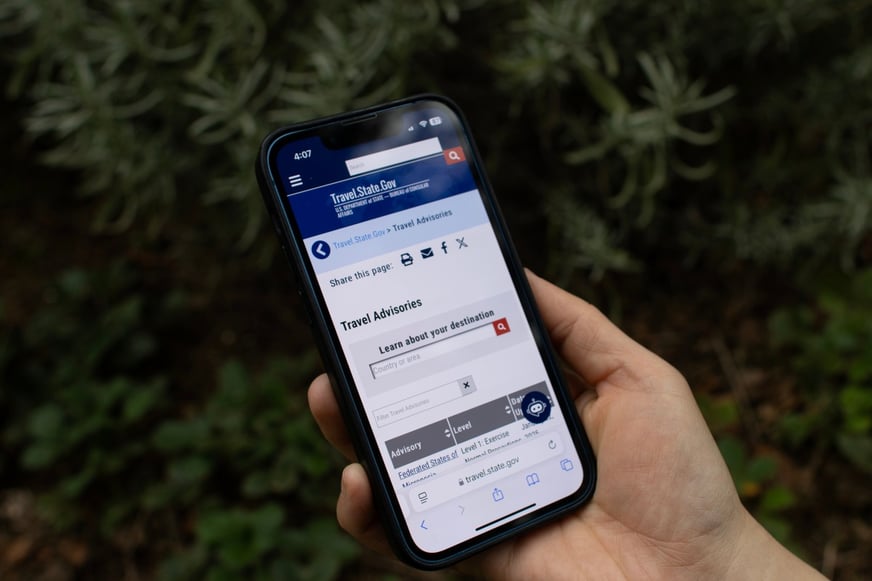
Your government issues a travel advisory before you leave: If your country raises your destination’s travel advisory to “avoid all travel” or equivalent after you booked your trip and bought your insurance, your policy may allow you to cancel your trip and get a refund for your prepaid, non-refundable expenses. In addition to trip cancellation coverage, if you are already traveling and your government issues a travel advisory, it may also cover cutting your trip short and getting home safely.
You need emergency medical evacuation: Many plans include coverage to move you to a safer place for care. If you are hurt during an act of war and need medical attention, your travel insurance may pay to move you to the closest safer hospital or even back home for more care.
You purchased Cancel for Any Reason (CFAR) coverage: CFAR is an optional upgrade that lets you cancel for any reason, including simply feeling uneasy about traveling to your destination, typically up to 48–72 hours before departure. It reimburses a percentage of your trip cost, usually 50% to 75%, and it’s the ultimate safety net available when you’re traveling somewhere uncertain.
How to Check Whether Your Travel Insurance Covers Acts of War
It is important to check the “Description of Coverage” included with your policy to determine how exactly you can get coverage. We recommend doing the following:
- Search your policy PDF for the words “war,” “civil unrest,” “government action,” and “hostilities.” These terms typically appear in the exclusions section in your policy documents. Read the full description, because the scope of what’s included or excluded is almost always in detail.
- Look at your trip cancellation and interruption benefits separately. Check whether a government travel advisory is listed as a covered reason for cancellation, and whether medical evacuation has any conflict-specific coverage.
- If anything is unclear, you can always contact our licensed travel insurance experts before your trip. You can ask them any specific questions you have regarding travel insurance covering war or conflicts, and they will direct you with the right coverage.
Secure Protection with VisitorsCoverage
While some travel insurance plans exclude acts of war, it isn’t the end for travelers who plan ahead. Knowing what your policy actually covers, buying early before situations develop, and considering CFAR for uncertain destinations puts you in a genuinely strong position.
Our Customer Success Team is here to help if you need further assistance during this process. Whether you need support choosing the right policy or navigating the claims process, we are dedicated to assisting you.
- Buy travel insurance early. Once a conflict is in the news, insurers can treat it as a known risk and limit your coverage
- A government travel advisory is often enough to cancel and file a claim, but it is important to check if your policy covers cancellations due to a Level 3 or 4 travel advisory
- Cancel for Any Reason (CFAR) is your safety net if you feel like you can’t get coverage. It lets you cancel for any reason and still receive some reimbursement
- Terrorism and war are separate clauses in most policies. It is important not to assume one covers the other