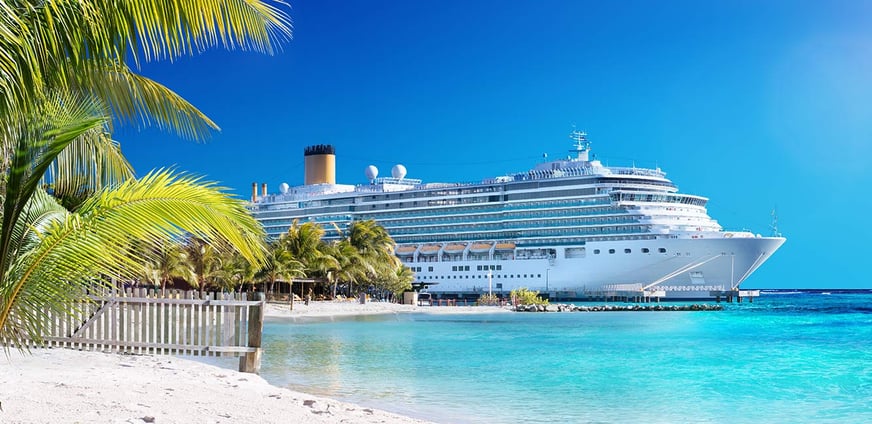
You’ve been planning this cruise for months. Maybe it’s an anniversary trip, a family reunion, or just something you’ve always wanted to do. You’ve paid for the cruise, booked your flights, and started shopping for excursions. But there’s one thing most people don’t think about until something goes wrong: what happens if you get seriously sick or injured in the middle of the ocean?
A cruise is different from any other vacation. You’re on a floating resort that’s also a medical island. The rules that protect you on land don’t apply once you’re at sea. Your regular health insurance probably won’t cover you. And if something goes wrong, you could be looking at bills that dwarf what you paid for the entire trip.
Travel insurance for cruises exists because cruise ships create risks that don’t exist anywhere else.
Why Cruise Travel Requires Different Insurance Considerations
Cruise travel insurance addresses risks that simply don’t exist on land-based trips. A cruise vacation involves multiple components: flights to reach the departure port, possibly hotel stays before or after sailing, the cruise itself, shore excursions in various countries, and your return journey home. Each of these pieces presents different risks that need protection.
When you’re moving between multiple countries (sometimes in a single day), you’re surrounded by thousands of people in close quarters, and you’re subject to maritime law rather than the consumer protections you’d have on land.
The Most Important Coverage to Secure During Your Cruise
While travel insurance coverage like trip cancellation and trip interruption are important, families, older travelers, honeymooning couples, all types of travelers want to understand their medical coverage options while on a cruise. It’s a valid concern: if something goes wrong when you’re in the middle of the ocean, who takes care of it, and what happens next?
The Medical Reality Onboard
Cruise ships have medical facilities, but they’re designed for basic care like treating seasickness, minor cuts, or prescribing antibiotics for infections. For anything more serious, you’ll need to be transferred to a land-based hospital.
Here’s where costs escalate quickly. A helicopter medical evacuation from a cruise ship can range from $20,000 to $50,000, and that’s just to get you to shore. If you need an air ambulance to a facility with specialized care, you’re looking at another $25,000 to $100,000 or more. Your domestic health insurance or, even, the specialized insurance offered by your cruise will not include adequate coverage, which is why a travel insurance policy is your best option.
What Your Health Insurance Actually Covers at Sea
Many travelers assume their regular health insurance will cover them on a cruise. In reality, coverage is much more limited than most people realize.
Medicare doesn’t cover medical services outside the United States except in very specific circumstances (certain parts of Canada and Mexico, under particular conditions). If you’re over 65 and relying on Medicare, you’ll need supplemental coverage for your cruise.
Private health insurance varies significantly. Some policies offer limited international coverage, but even when they do, they typically require you to pay upfront and seek reimbursement later. In many countries, hospitals won’t discharge you until your bill is paid in full, regardless of whether you have insurance back home.
The ship’s medical facility operates independently from typical insurance networks. You’ll be charged directly to your onboard account (the credit card you provided at embarkation), and costs tend to run higher than comparable services on land. There’s no negotiated rate, no appeals process if you think charges are excessive.
Why You Should Avoid Buying Cruise Line Insurance
When you book your cruise, you’ll likely be offered insurance by the cruise line. This option is convenient since you can add it directly to your booking, but understanding its limitations is important.
There Isn’t A Cost Benefit
Many people assume that the insurance policy that you are offered at the end of the checkout is cheaper than regular travel insurance. Though the policy is very convenient, it may not be the most cost-effective option. This is because it is often priced similarly to, or more than, standard travel insurance but typically provides less extensive coverage.
Coverage Scope Limitations
Most cruise line insurance policies only cover what you purchased directly through the cruise line. If you booked your own flights to the departure port, arranged your own hotel for the night before sailing, or purchased shore excursions through independent vendors, these expenses typically aren’t protected by cruise line insurance.
This creates a significant gap. If your flight to Miami is cancelled and you miss your cruise departure, or if your luggage is lost by the airline and doesn’t arrive until day three of your cruise, the cruise line’s policy may not help with these situations at all because they occurred before you boarded the ship.
Reimbursement Methods
Many cruise line insurance policies reimburse in future cruise credits rather than cash. If you need to cancel due to a family emergency or medical situation, you may want your money back, not a commitment to sail again with that line. This can be particularly frustrating if you need the funds for immediate expenses related to the reason you had to cancel.
Medical and Evacuation Coverage Caps
Medical coverage in cruise line policies is often capped at $10,000 to $15,000, and evacuation coverage may be similarly limited. What’s more important is that the cruise-offered travel insurance stops covering you the second you leave the cruise. Once you’re on land, you will have to pay the hospital charges out of pocket. While any coverage is better than none, these limits may not be sufficient for serious medical situations that require extensive treatment or emergency transport.
Limited Trip Cancellation Reasons
The reasons you can cancel and still receive reimbursement are typically more restrictive with cruise line insurance. You may only be able to cancel for very specific, narrowly defined circumstances. Third-party cruise insurance policies generally cover a broader range of cancellation reasons, giving you more flexibility.
What Good Cruise Insurance Will Actually Cover
There isn’t really such a thing as exclusive insurance for a cruise. It’s actually the same as travel insurance you would get for any other trip. There are some companies that will create cruise specific plans but they all have the same benefits of travel insurance, just higher coverage limits for benefits that are especially important during a cruise. But many travelers, especially those going on shorter cruises or those with very few non-refundable costs may not want the cruise specialized plans and just opt for the other, regular plans. That’s also why it’s important to compare plans and weigh your options. When evaluating different policies, look for coverage that can fit the specific recommendations for cruise travel:
Emergency medical coverage: This pays for treatment you need while traveling, whether on the ship or at a foreign hospital. You want at least $100,000, though $250,000 to $500,000 is better for older travelers or more remote cruises.
Emergency evacuation: Probably the most important part. This covers the helicopter or medical plane that gets you from the ship to a hospital, plus the coordination to make it happen. Get at least $250,000, ideally $500,000 to $1,000,000. Without this, you’re on your own trying to arrange and pay for an evacuation while in crisis.
Trip cancellation and interruption: If you can’t go on the cruise because of illness, injury, death in the family, severe weather, or other covered reasons, this reimburses your prepaid costs. If you have to leave the cruise early, it covers the unused portion plus your flight home.
Baggage coverage: Lost luggage, stolen items, delayed bags. The cruise line’s liability for theft is usually capped at $100 to $250 no matter what was stolen, so your cruise trip insurance is your real protection.
Travel delays: If your flight is delayed and you miss the ship’s departure, this pays for hotels, meals, and the cost to meet the ship at its next port instead of losing the entire cruise.
24/7 help: You get a phone number you can call anytime from anywhere. They help coordinate evacuations, find doctors, replace lost passports, and handle whatever crisis you’re facing.
Rental car coverage: If you’re renting a car before or after your cruise, some policies include rental car coverage or allow you to add it on. This can supplement or replace the expensive insurance rental companies offer, potentially saving you money while providing coverage for accidents or damage.
Special Considerations for Different Travelers
Best Cruise Travel Insurance for Seniors
Travelers over 65 should look for policies that specifically accommodate their needs:
Pre-existing condition waivers: If you purchase within 14 to 21 days of your initial trip deposit to waive pre-existing condition exclusions, many policies can cover you in the face of your pre-existing conditions flaring up . This is critical if you or a traveling companion has ongoing health conditions.
Age-appropriate coverage limits: Look for policies with higher medical and evacuation limits, as risks increase with age.
No age restrictions: Some insurers might cap coverage at age 80 or charge different premiums after certain ages. Verify the policy accepts travelers in your age range.
Annual policies: If you cruise multiple times per year, annual multi-trip policies can be more economical than buying separate policies for each trip.
Extended Cruises and World Voyages
Cruises lasting more than 30 days require special attention. Many standard policies limit trip length to 30 or 45 days. For longer voyages:
Extended trip coverage: When you are entering your trip’s information into the quote tool, make sure the dates you put in are accurate. This way, you will only be shown policies that cover beyond the standard 30-45 day limit.
Higher coverage limits: Longer trips mean more exposure to risk, so higher limits are appropriate.
Destination coverage: Verify the policy covers all countries on your itinerary, as some insurers exclude certain regions.
How Much Is Travel Insurance for a Cruise?
The cost of cruise trip insurance typically ranges from 4-10% of your total trip cost, depending on:
- Your age (premiums increase significantly after age 60)
- Trip length and destination (Longer cruises cost more to insure than shorter ones)
- Coverage limits selected
- Optional add-ons (CFAR, adventure sports, etc.)
- Pre-existing condition coverage
Example pricing scenarios:
- 7-day Caribbean cruise, $3,000 total cost, ages 35-45: $65-$250
- 10-day Mediterranean cruise, $5,000 total cost, ages 60-70: $250-$500
- 14-day Alaska cruise, $6,000 total cost, ages 70+: $330-$800
Should I Get Travel Insurance for a Cruise?
The short answer: yes, absolutely.
You should definitely buy cruise insurance if:
- You’re traveling internationally
- You’re over 60 or have pre-existing medical conditions
- Your cruise costs more than you could comfortably lose
- You’re traveling during hurricane season or winter storm season
- You’ve booked far in advance (more time for life to interfere)
- Your domestic health insurance has limited international coverage
You might skip insurance if:
- You’re taking a very short, inexpensive cruise in domestic waters
- You have excellent health insurance with comprehensive international and evacuation coverage
- You have significant financial reserves to self-insure against losses
- You’ve booked with a highly flexible, refundable rate
How to Find the Best Travel Insurance For Your Cruise
Make sure to compare and contrast the available policies to make sure you are getting the best insurance not only for your needs but also for your budget.
Not sure you’re ready to get a cruise travel insurance policy just yet? That’s alright. Our team of insurance experts can walk you through the whole process so you can find the right plan for you.
Frequently Asked Questions About Travel Insurance for Cruises (FAQs)
Do I need travel insurance for a cruise if I have health insurance?
Yes, in almost all cases. Standard health insurance (including Medicare) typically doesn’t cover medical care on cruise ships or in foreign countries. Even if your plan provides some international coverage, it won’t coordinate or pay for emergency medical evacuations, which can cost $50,000-$100,000+. Cruise travel insurance fills these critical gaps with evacuation coverage, 24/7 assistance, and the added benefit of reimbursement for trip cancellations or interruptions.
How much does cruise insurance typically cost?
Travel insurance for cruise ships typically costs 4-10% of your total trip cost. For example, a $5,000 cruise might cost $200-$500 to insure, while a $15,000 cruise might cost $600-$1,500. Factors affecting price include your age, trip length, destination, coverage limits, and optional add-ons like Cancel for Any Reason (CFAR) coverage. Travelers over 60 and longer cruises to remote destinations generally cost more to insure.
Will travel insurance cover me if I miss my cruise departure?
Yes, if you miss your cruise due to a covered reason under your policy’s travel delay benefit. Common covered reasons include flight delays/cancellations, severe weather, traffic accidents, or mechanical breakdown of your transportation. The policy will reimburse the cost to catch up to your ship at the next port, including flights, hotels, meals, and transportation. Coverage limits typically range from $500-$2,000. This is why we recommend that you arrive at your departure port city at least one day early, so you can avoid any risks.
What if my cruise is cancelled by the cruise line?
If the cruise line cancels your cruise, they’ll typically refund your cruise fare but not your flights, hotels, or other prepaid expenses. This is where trip cancellation coverage is especially important. Travel insurance is designed to reimburse all your non-refundable trip costs, not just the cruise fare. One hidden benefit is also how trip interruption can help you in this scenario. If your cruise was cancelled at the last minute and now you need to fly back home from the port city, travel insurance can also cover the added costs of the flights back home. Always book air and hotels separately (not through the cruise line) to ensure these expenses are covered by your insurance.
Does cruise insurance cover shore excursions?
Yes, most comprehensive travel insurance for cruises covers medical emergencies and injuries that occur during shore excursions, whether booked through the cruise line or independently.
Some policies will also include coverage for recreational activities like kayaking, zip-lining, skiing, etc. However, if you are doing these activities beyond the lighthearted recreational, look for policies with a sports coverage add-on.
If the ship skips a port due to weather or itinerary changes, trip interruption coverage can also reimburse prepaid excursions and bookings you couldn’t use. To compare the extent of coverage in each policy, review your policy’s activity exclusions before booking adventure excursions.
What happens if someone in my family gets sick before the cruise?
If you or a traveling companion gets sick before departure and can’t travel, trip cancellation coverage reimburses your prepaid, non-refundable trip costs. Most policies also cover cancellation if an immediate family member (spouse, parent, child, sibling) who isn’t traveling becomes seriously ill or dies. To ensure coverage for pre-existing conditions, you must have purchased insurance with a pre-existing condition waiver early in your booking process. Cancel for Any Reason (CFAR) coverage provides the most flexibility, reimbursing 50-75% of costs even if your reason doesn’t fit standard covered reasons.
Are valuables and jewelry covered on a cruise ship?
Yes, but with limitations. Most policies cover theft and loss of personal belongings up to the policy limit (typically $1,000-$2,500 total, with per-item sub-limits of $250-$500). High-value items like jewelry, cameras, and electronics may have lower sub-limits. Cruise lines have minimal liability for theft (often capped at $100-$250), so your cruise insurance is your primary protection. To maximize coverage: keep valuables in your room’s safe, photograph expensive items before your trip, and keep receipts or appraisals for high-value belongings. That way, your claims process will go smoother.
Can I purchase cruise insurance for just one part of my trip?
Travel insurance typically covers your entire trip from departure to return, not individual segments. When you’re being asked to enter your information, the insurance company only asks for your trip cost as a total, not itemized. That being said, you can choose which prepaid expenses to insure. For example, if you’re driving to the port, you might only insure your cruise fare, not report transportation costs. However, cruise vacations can be costly to cover out-of-pocket if something goes wrong. Especially if you’re combining a cruise with a land vacation, make sure your policy covers the full trip duration.