Welcome
to the Bahamas!
The Bahamas is a tropical paradise made up of more than 700 islands and cays scattered across the clear, turquoise waters of the Caribbean. Known for its white-sand beaches, colorful coral reefs, and warm hospitality, it's a dream destination for both relaxation and adventure.
Traveling to the Bahamas without insurance is a risk. Having travel insurance provides essential protection against unexpected expenses such as medical emergencies, lost luggage, canceled flights, or sudden changes to your itinerary. With the right coverage in place, you can enjoy everything the Bahamas has to offer, confident that you're protected every step of the way.
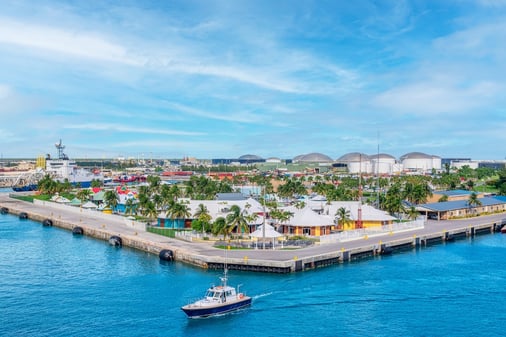
Travel Insurance Requirements for the Bahamas
While travel insurance is not mandatory for visiting the Bahamas, it is strongly recommended. Medical services, even for minor injuries or illnesses, can be expensive, particularly for non-residents without insurance coverage.
Keep in mind that trip disruptions like flight cancellations, weather-related delays, or lost baggage are not uncommon and can also result in substantial out-of-pocket expenses. Travel insurance can help cover these unexpected costs, giving you peace of mind throughout your trip.
Do You Need a Visa to Visit the Bahamas?
Visa requirements for the Bahamas vary depending on your country of citizenship and residency. In general, all visitors must present a passport that is valid for at least six months from the date of departure from the Bahamas.
- U.S. Citizens: Do not need a visa for stays up to 8 months, but must carry a valid passport and a return or onward ticket.
- U.S. Permanent Residents (green card holders): May visit visa-free for up to 30 days with a valid passport and their original Alien Registration Card (or the 'Green Card'). For stays longer than 30 days, a Bahamas visa is required.
- Canadian Citizens: Do not need a visa for visits up to 8 months, provided they present a valid Canadian passport and a return or onward ticket.
- Canadian Permanent Residents: May stay visa-free for up to 30 days with a valid passport (from their country of citizenship), Canadian Permanent Resident Card, and return ticket. Stays beyond 30 days require contacting a Bahamian Embassy or High Commission.
- Latin American Citizens: Visa-exempt for stays less than 3 months (approximately up to 90 days). A valid passport, return/onward ticket, proof of accommodation, and proof of sufficient funds may be required.
- Other Countries: Some nationalities require a Bahamas visa depending on the length and purpose of the visit. All travelers must hold a valid passport (with six months validity), plus a return or onward ticket, proof of accommodation, and proof of funds.
Indian Nationals Special Provision:
Visa is not required if the traveler is an Indian national holding one of the following:
- A valid visa from the United States, Canada, the United Kingdom, or any Schengen Member State, for a stay up to 90 days; OR
- A valid permanent resident card of the U.S., Canada, U.K., or a Schengen Member State, for a stay up to 30 days. Evidence of both the Indian passport and a qualifying visa or PR card must be presented upon entry.
Do You Need a Passport for a Bahamas Cruise?
U.S. citizens on closed-loop cruises (those that begin and end at the same U.S. port) may travel to the Bahamas without a passport, using a certified birth certificate and a government-issued photo ID. However, if you miss the ship and need to fly home, a valid U.S. passport book is required to re-enter the country by air.
Bringing a passport is strongly recommended, even if not legally required, to avoid complications in the event of an emergency. Alternative documents (passport card, Enhanced Driver's License, Trusted Traveler Card) may work for closed-loop cruises, but carrying a passport is strongly recommended for emergencies.
Special Note for Indian Nationals
Indian passport holders do not require a Bahamas visa for short stays if they also hold a valid visa or permanent residency from the United States, Canada, the United Kingdom, or a Schengen country.
- Up to 90 days: Permitted with a valid visa from the U.S., Canada, UK, or Schengen area
- Up to 30 days: Permitted with permanent resident (PR) status from one of these regions
Travelers must carry both their Indian passport and the corresponding visa or PR card when entering The Bahamas.
This table presents a quick overview of the scenarios discussed:
| Group | Visa Requirement | Passport Validity |
|---|---|---|
| U.S. Citizens | Visa not required (up to 8 months) | 6 months beyond departure |
| U.S. Permanent Residents | Visa-free up to 30 days, then visa is required | 6 months beyond departure |
| Canadian Citizens | Visa not required (up to 8 months) | 6 months beyond departure |
| Canadian Permanent Residents | Visa-free up to 30 days, then contact the embassy | 6 months beyond departure |
| Latin American Citizens | Visa-free for < 3 months | 6 months beyond departure |
| Indian Nationals with valid US/CA/UK/Schengen visa | Visa-free up to 90 days | 6 months beyond departure |
| Indian Nationals with PR in those regions | Visa-free up to 30 days | 6 months beyond departure |
| Other Nationals | Visa may be required | 6 months beyond departure |
What Kind of Travel Insurance Should I Get for the Bahamas?
Travel insurance for the Bahamas generally falls into two key categories: travel medical insurance and trip insurance.
Each offers distinct forms of protection depending on your needs and travel plans.
- Travel Medical Insurance or Visitors Insurance helps cover medical-related emergencies during your trip, including hospitalization, urgent care, and emergency evacuation.
- Trip Insurance protects against financial losses caused by trip cancellations, delays, or disruptions.
Travel Medical Insurance for the Bahamas
While the Bahamas offers access to quality medical care, services are not free for tourists, and emergency treatment, hospital stays, or evacuations can be extremely costly. Travel medical insurance ensures you're not left paying high medical bills out of pocket.
A travel medical plan typically covers:
- Emergency medical expenses: Hospital stays, doctor visits, surgical procedures, and diagnostic tests.
- Emergency evacuation and repatriation: If you need to be transported to another facility or back to your home country.
- Urgent care access: Coverage for treatment of minor injuries or sudden illnesses.
- Injuries from adventure sports: Coverage for accidents that occur while snorkeling, boating, scuba diving, while exploring the Bahamas.
- Repatriation of remains: In the event of a fatal incident, insurance may cover transportation of remains to the traveler's home country.
Trip Insurance for the Bahamas
Trip insurance is valuable for protecting prepaid travel costs and minimizing losses from disruptions. This is especially important in a destination like the Bahamas, where weather events and flight delays can occur with little warning.
Trip insurance may provide coverage for:
- Trip cancellations or interruptions: Reimbursement for non-refundable expenses if your plans are changed due to illness, injury, or other emergencies.
- Travel delays: Compensation for additional costs caused by delayed flights or missed connections.
- Lost, stolen, or delayed baggage: Coverage for essentials and replacement items.
- Medical emergencies while traveling: Protection in case you require medical attention mid-trip.
- Rental car damage: Optional coverage for damage to rented vehicles.
- Cancel For Any Reason (CFAR): An optional add-on that allows travelers to cancel their trip for almost any reason not covered by standard trip insurance. It typically reimburses a percentage of prepaid, non-refundable costs, often up to 50–75%, if the trip is canceled within the policy's time limits.
How Much Does Travel Insurance for the Bahamas Cost?
The cost of travel insurance for the Bahamas depends on a few key factors:
- Trip duration: Longer trips usually cost more premium to insure.
- Traveler's age: Senior travelers are often faced with higher premiums, compared to younger travelers.
- Coverage limits: Plans with more coverage tend to be more expensive.
- Type of insurance: Comprehensive policies that include both medical and trip protection cost more than basic coverage.
- Insurance provider: Prices vary, so it's smart to compare options from different companies.
For example, a basic trip insurance plan that covers emergency medical expenses and trip cancellation might cost under $1 per day. A premium plan that includes "cancel for any reason" coverage and higher limits will come at a higher price but offers more flexibility and protection.
Compare plans and get quotes for trip or travel medical insurance plans on the VisitorsCoverage platform, before you buy a suitable plan for yourself.
Whether you choose trip insurance or travel medical insurance, both options can help protect your health and travel investment if something unexpected comes up during your visit to the Bahamas.
Travel Insurance for Cruises to the Bahamas
Cruising to the Bahamas is a popular and memorable way to explore this island paradise. Whether your itinerary includes Nassau, Freeport, Exuma Cays, or private islands like CocoCay, having travel insurance for your cruise is an essential part of planning.
Why Is Travel Insurance Important for Cruises?
Cruise vacations involve more moving parts than traditional trips, such as flights to the port, strict boarding schedules, offshore excursions, and onboard healthcare limitations. Travel insurance adds an extra layer of protection in case something goes wrong before or during your cruise. Here's why it matters:
- Limited onboard medical care: Cruise ships are equipped for basic medical needs but not for serious conditions. Emergency care or evacuation to a land-based facility can be extremely expensive and is rarely covered by domestic health plans.
- Strict schedules: Missing a cruise departure, even due to delayed flights or traffic, can result in losing your trip investment. Trip interruption coverage can help cover rebooking costs or missed days.
- Itinerary changes: Weather events, mechanical problems, or port closures may alter your cruise route. Travel insurance can help recover non-refundable costs.
- Lost or delayed luggage: Baggage problems can be especially disruptive on cruises, where replacing items onboard is costly. Insurance can reimburse you for essentials.
- Cabin confinement: Some policies include coverage if you're confined to your cabin due to illness or outbreaks like norovirus.
What Should an Ideal Cruise Insurance Plan Cover?
The ideal or best cruise insurance plans for the Bahamas should ideally provide coverage for:
- Emergency medical treatment
- Emergency medical evacuation and transportation
- Trip cancellation or interruption
- Missed cruise departure
- Missed ports or itinerary changes
- Baggage loss, theft, or delay
- Cabin confinement compensation
- Optional: Cancel For Any Reason (CFAR) coverage
Some insurers offer cruise-specific policy upgrades. Always read the policy details to confirm it applies to international waters and cruise-related incidents.
Frequently Asked Questions About Bahamas Travel Insurance
Is travel insurance required to visit the Bahamas?
No, travel insurance is not mandatory, but it is highly recommended to protect against costly medical care, weather-related disruptions, and trip cancellations.
Does my U.S. health insurance cover medical treatment in the Bahamas?
In most cases, no. Most U.S. health insurance plans and Medicare do not cover international medical expenses or emergency evacuation.
What kind of travel insurance is best for a cruise to the Bahamas?
Look for a plan that includes cruise-specific benefits such as emergency evacuation, trip interruption, missed connections, and coverage for missed ports.
Will travel insurance cover hurricane-related delays or cancellations?
Yes, if the policy includes weather-related trip interruption or cancellation. However, the policy must be purchased before a storm is named.
How much does travel insurance for the Bahamas typically cost?
The price depends on the type of coverage you choose. Travel medical insurance is usually priced by age, trip length, and coverage limits. Trip insurance, on the other hand, is calculated as a percentage of your total prepaid, non-refundable trip cost, typically 4% to 10%, with comprehensive plans costing more if you add options like Cancel For Any Reason (CFAR).
Is “Cancel for Any Reason” (CFAR) coverage available for trips to the Bahamas?
Yes. Many trip insurance plans offer CFAR as an optional upgrade for trips to the Bahamas, allowing you to cancel for almost any reason not covered by standard policies. To qualify, it usually must be purchased within 10–21 days of your first trip payment, and it typically reimburses 50–75% of your non-refundable costs. Because of its flexibility, CFAR comes with an added premium and must be included in your plan before you need it.
What to Know Before Your Trip to the Bahamas
Understanding the essentials of Bahamian travel helps you make the most of your visit. Here are key things to keep in mind:
- Currency: The Bahamian Dollar (BSD) is the official currency and is pegged to the U.S. dollar 1:1. U.S. dollars are accepted everywhere, and ATMs are widely available in tourist areas.
- Language: English is the official language and is spoken throughout the islands.
- Connectivity: Most resorts, hotels, and cruise ships offer Wi-Fi, though it may be slower on smaller islands. Consider downloading maps and key apps ahead of time if you plan to explore more remote cays.
- Transportation: Taxis are available in major tourist areas like Nassau and Freeport. Rental cars, scooters, and water taxis are also options, especially on larger islands.
- Climate: The Bahamas has a tropical climate with warm temperatures year-round. Hurricane season runs from June through November, so monitor forecasts if you're traveling during that time.
- Cultural Tips: Bahamians are polite and relaxed. Casual beachwear is fine during the day, but smart-casual attire is expected at restaurants in the evening. Tipping 10–15% is customary for good service.
Health and Safety in the Bahamas
Staying healthy and safe during your trip to the Bahamas is simple with a few basic precautions.
- Healthcare Access: Medical care is available on major islands like Nassau, Freeport, and Paradise Island. Facilities may be limited on smaller islands, so it's wise to carry travel medical insurance in case emergency care or evacuation is needed.
- Food and Water Safety: Tap water is generally safe to drink in larger tourist areas, but many travelers prefer bottled water for convenience and taste. It's best to stick to bottled water on the Out Islands, where water treatment standards may vary.
- Personal Safety: While the Bahamas is a welcoming and popular destination, petty crime can occur in certain areas. Avoid walking alone at night in unfamiliar neighborhoods, use official transportation, and keep valuables secure. Travelers are encouraged to stay within well-populated tourist zones and consider booking shore excursions through reputable providers.
- Sun and Heat Protection: The Caribbean sun is intense, especially during the summer months. Apply high-SPF sunscreen regularly, stay hydrated, and wear protective clothing like hats and sunglasses to avoid heat-related illnesses or sunburn.
- Mosquito Awareness: Mosquito-borne illnesses such as dengue and chikungunya have been reported. Use insect repellent with DEET or picaridin, and wear lightweight, long-sleeved clothing in the early morning and evening, especially when visiting greener or more humid islands.
- Beach and Ocean Safety: Always observe posted flags and warnings before swimming, as currents can be strong and lifeguards are not present at every beach. Wearing water shoes is recommended to avoid injuries from coral, rocks, or sea urchins while swimming or walking along the shore.
Crime and Personal Safety
The Bahamas is a popular and generally safe destination, especially in tourist-centered areas like Nassau, Paradise Island, and the Out Islands. However, like in any major tourist spot, it's important to stay alert and take basic safety measures.
- Petty crimes: Pickpocketing and bag-snatching can occur, especially in busy areas like downtown Nassau, Straw Market, or cruise ports. Keep personal items secure and avoid flashing cash or valuables.
- Valuables and security: Use hotel safes to store passports, jewelry, and large sums of money. Don't leave valuables unattended at the beach, by the pool, or in rental cars.
- Night safety: While many areas are safe, avoid isolated or poorly lit streets at night, particularly away from tourist zones. Use registered taxis or rideshares when heading out after dark.
- Scams and strangers: Politely decline unsolicited offers from overly eager strangers, especially near tourist hot spots or beaches. Use reputable tour providers for excursions.
Transportation and Road Safety
Getting around the Bahamas is relatively easy, especially on major islands. Still, understanding local transport options and driving conditions will help ensure your safety.
- Transportation Options: Taxis are widely available, though they are unmetered; agree on a fare before departure. Rideshare apps are less common, but some local equivalents may exist. Buses (jitneys) are available on Nassau but may not run late or on all routes.
- Driving: If you're renting a car, remember that Bahamians drive on the left side of the road. Road conditions may vary, especially on smaller islands. Watch for pedestrians and unmarked hazards.
- Weather Conditions: Sudden tropical rains can affect visibility and road traction. Drive cautiously and avoid flooded roads.
- Luggage Safety: Stay alert when traveling between airports, ferry docks, or hotels. Always supervise your belongings, and don't leave anything visible in unattended vehicles.
Nature, Wildlife & Water Safety
The Bahamas is famous for its clear turquoise waters and natural beauty. Make the most of it, but do so safely.
- Coral Reefs and Marine Life: Snorkeling and diving are highlights here. Avoid touching coral or marine creatures like jellyfish or sea urchins to prevent injury and preserve ecosystems.
- Hiking and Nature Areas: Although there are fewer extensive hiking areas, some islands, such as Eleuthera and Andros, offer nature trails. Wear appropriate footwear and carry water.
- Animal Safety: You may encounter wild chickens, iguanas, or feral dogs. Avoid feeding or approaching animals, especially in remote areas.
- Beach Safety: Not all beaches have lifeguards. Some areas can have strong rip currents, especially during bad weather. Swim in marked safe zones and heed any posted warnings.
Natural Disasters and Weather Awareness
The Bahamas lies within the Atlantic hurricane belt, making it essential to stay weather-aware, especially from June to November.
- Tropical storms and hurricanes: Hurricane season runs from June to November. Monitor weather forecasts by the Government of the Bahamas closely and follow local advisories, especially if a storm is approaching.
- Hotel safety plans: Most hotels and resorts have hurricane preparedness protocols. Familiarize yourself with their emergency procedures upon arrival.
- High surf and undertows: After storms or during high-tide seasons, currents can become strong. Always obey beach warning flags and avoid swimming in rough conditions.
What to Do if You Become Ill or Injured in The Bahamas
If you experience illness or injury during your stay in the Bahamas, here's what to do:
- Seek Immediate Medical Care: Head to the nearest clinic or hospital. Major islands like New Providence (Nassau) and Grand Bahama have modern medical facilities, many with English-speaking staff. In a serious emergency, dial 911 for ambulance services.
- Contact Your Travel Insurance Provider: Notify your insurer as soon as possible. They can advise on covered hospitals, necessary documentation, and assist with medical coordination.
- Use Local Pharmacies for Minor Ailments: For non-urgent issues like colds, minor infections, or upset stomachs, local pharmacists can provide over-the-counter medications and guidance.
- Keep All Medical Documentation: Retain copies of medical records, prescriptions, and receipts. These will be essential for any travel insurance claims or follow-up care.
Travel Resources for The Bahamas
For more information on planning your trip, exploring top destinations, and staying safe, these resources can help:
- Bahamas Tourism Website: Offers updated information on events, attractions, customs, and local travel tips.
- Bahamas Ministry of Health: Shares health alerts, vaccination guidance, and travel-related updates.
- US Department of State - Bahamas Travel Information: US citizens can access government advisories and safety recommendations.
Where to Buy Travel Insurance for The Bahamas
You can purchase travel insurance for the Bahamas in minutes through a reputable online travel insurance marketplace such as VisitorsCoverage. Comparing multiple plans helps you find the best coverage for medical emergencies, trip delays, cancellations, and other unexpected events.
If you need assistance selecting a plan or have questions about coverage, our licensed customer success team members are here to help.