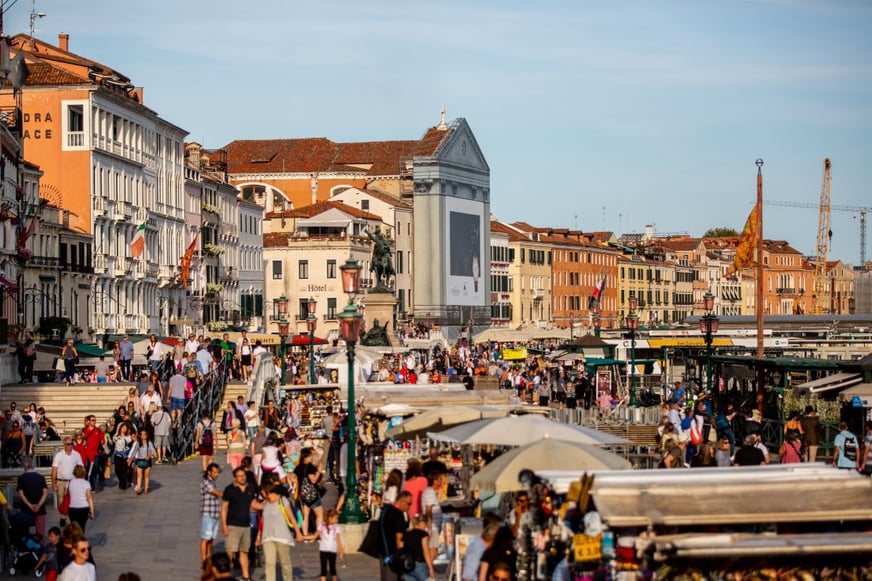
With recent global events, jet fuel shortages, and travel requirements and advisories, many travelers are concerned about how safe it is to travel to Europe, especially as the summer season approaches.
In short, Europe remains generally safe for international visitors to travel to. With any trip, it is advised to be aware of your surroundings, research safe travel practices, and learn how to best protect yourself and your trip against unforeseen circumstances like medical emergencies or trip cancellations.
What You Will Learn in This Guide:
- Why Europe remains a generally safe destination for international travelers
- How travel insurance can mitigate risks associated with medical emergencies, theft, and unexpected trip cancellations
- Details on “Cancel for Any Reason” (CFAR) coverage and how it provides the ultimate flexibility for uncertain travelers
What Countries are Safe to Travel to in Europe?
Many countries in Europe are safe to travel to this summer. As of April 2026, the U.S. Department of State has issued a Level 1 travel advisory for the following European destinations:
- Andorra
- Austria
- Bulgaria
- Croatia
- Czech Republic
- Estonia
- Finland
- Georgia
- Greece
- Hungary
- Iceland
- Ireland
- Latvia
- Liechtenstein
- Lithuania
- Malta
- Montenegro
- North Macedonia
- Norway
- Poland
- Portugal
- Romania
- Slovakia
- Slovenia
- Switzerland
The U.S. Department of State identifies many popular travel destinations in Europe with a Level 2 travel advisory. However, this doesn’t mean that you shouldn’t be traveling to these destination spots at all. While going to a European country with a Level 2 travel advisory, it is recommended to monitor local media, secure your belongings, and to be aware of your surroundings.
What Are The Safest Flights To Take to Europe?
Recent concerns regarding jet fuel shortages have led travelers to worry about potential flight cancellations. Because short-haul routes and flights connecting through Middle Eastern hubs are particularly susceptible to this type of disruption, securing comprehensive travel insurance or travel medical insurance is highly advised. Travel insurance is recommended for US travelers to Europe, while travel medical insurance is recommended for travelers from outside of the US.
If you’re concerned about which airlines are best for travel to Europe this summer, consider the following airlines:
- Delta Air Lines
- United Airlines
- American Airlines
- EasyJet
- British Airways
- Air France
Can Travel Insurance Protect My Summer Trip to Europe?
With recent warnings of a potential jet fuel shortage in Europe, travelers are wondering how likely they are to be covered under a travel insurance plan. In general, airlines typically provide refunds or will put travelers on a different flight if their flight is cancelled. The airline’s refund policy is a good layer to add with a travel insurance plan, which could cover unexpected delays or missed connections to offer support during an unforeseen disruption to a traveler’s plans.
While in Europe, travel insurance could still offer vital protection for those looking to cover potential medical expenses or for their overall trip investment. This can include coverage for your personal belongings, passport theft, trip interruptions, medical evacuation, and unexpected medical expenses abroad, ensuring you get the coverage you need to have a peaceful trip to Europe.
However, if you do feel worried about traveling to Europe and feel like you need to cancel your trip, your most flexible options will be a plan with Cancel for Any Reason coverage. This upgrade allows you to cancel your trip for literally any reason that isn’t typically covered by standard travel insurance, such as concerns over jet fuel shortages and safety, while recouping about 50% to 75% of your prepaid, nonrefundable trip costs.
Is Traveling to Europe Still Worth It in 2026?
Europe remains a safe and beautiful destination for travelers this summer. While enjoying Europe’s many sights, visitors should, as always, remain vigilant and prepared for any unexpected situations.
We understand that traveling during an uncertain time can feel overwhelming. If you ever have any questions or concerns regarding your trip, our licensed travel insurance experts are always available to help.
- Despite global uncertainties, Europe remains a generally safe destination for 2026 travelers
- Numerous countries hold a Level 1 status, but even Level 2 destinations are viable if you stay informed and secure your belongings
- If you are hesitant about traveling, a “Cancel for Any Reason” upgrade offers the most flexibility for recouping prepaid costs
- A solid travel insurance plan should cover not just trip interruptions, but also medical emergencies, evacuations, and theft