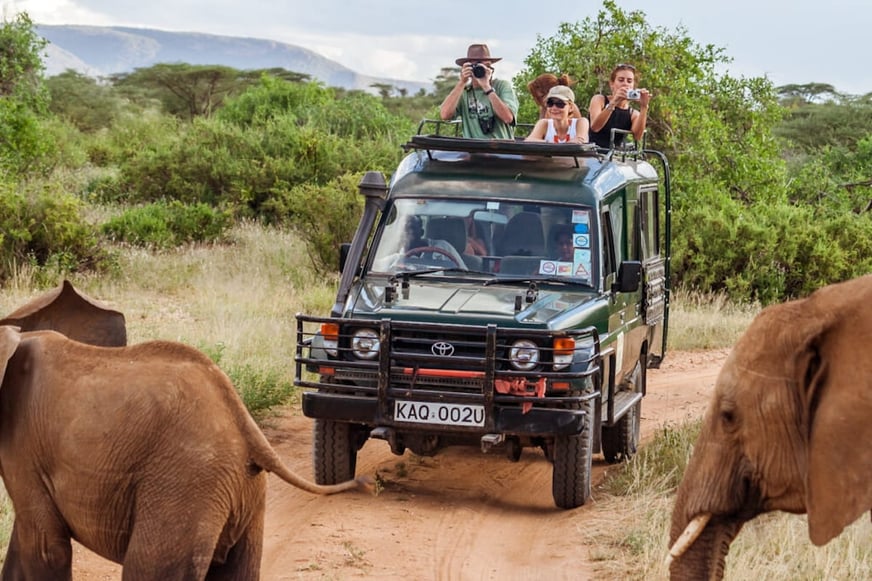
A safari, unlike a typical vacation, is often a once-in-a-lifetime experience. Your itinerary might include remote lodges in Botswana and the Serengeti or fixed travel dates tied to wildlife movement in the Masai Mara. These are invaluable wildlife experiences that can’t simply be rebooked if plans change.
When a trip carries this level of both financial and emotional investment, preparation becomes a part of the journey itself.
Safari travel insurance helps address the realities of travel in remote environments, where access to medical care, evacuation logistics, and schedule flexibility are limited. This guide explains what safari travel insurance typically covers, how to choose it, and what to review before you buy.
What This Article Will Cover
- Safari travel insurance is designed to address remote travel, higher trip costs, and guided wildlife activities
- Medical coverage and emergency evacuation are central considerations for most safari itineraries
- Standard travel insurance may not automatically cover safari-specific risks or activities
- Coverage limits, exclusions, and evacuation conditions should be reviewed carefully
- The best travel insurance for safari trips aligns with your itinerary, timing, and activities rather than relying on generic coverage
What Safari Travel Insurance Covers and Why It’s Essential
For many travelers, the question isn’t whether insurance is needed, but whether standard travel insurance is sufficient for a safari. While some comprehensive plans may include safari-related travel, coverage can vary significantly based on activity definitions, remoteness, and itinerary structure.
Most safari travelers look for a strong travel insurance policy with higher limits so they are protected against the higher risks of safaris and remote areas.
Medical coverage is often the most important component. Safaris frequently take place far from hospitals equipped to handle serious injuries or illnesses. Typical policies may include coverage for emergency treatment, hospital stays, and physician services while abroad.
Emergency medical evacuation is especially relevant. On safari, evacuation decisions may need to be made quickly, sometimes by lodge staff or guides. Policies differ in how they define medical necessity, evacuation distance limits, and whether air transport is included.
Understanding these details in advance matters when advanced care may be hours away.
Trip cancellation or interruption coverage is also important for safaris booked months ahead, often with large non-refundable deposits. If a covered event forces you to cancel or cut your trip short, this coverage may help recover prepaid expenses. Baggage protection can also be useful when essential gear is delayed en route to remote destinations.
Some safari holiday insurance plans include coverage for guided wildlife or adventure activities, though this varies and should always be confirmed in the policy wording.
How to Get the Best Travel Insurance for a Safari?
Step 1: Review & Understand Your Needs
Start by reviewing where you’re going, how remote your accommodations are, and which activities are included. A lodge near a major reserve may present different considerations than a walking safari or an off-grid camp accessible only by small aircraft.
Step 2: Compare the Best Policies Against Each Other
When comparing travel insurance for safari trips, focus on coverage details rather than plan names. Review medical limits, emergency evacuation benefits, and how adventure activities are defined. The coverage you look for in safari holiday insurance plans vs. a travel insurance plan for a regular trip can differ widely in these areas.
Using a comparison tool allows you to make your decision in minutes rather than spending hours researching policies individually.
Step 3: Review Your Selected Policy, Make Sure It Fits
Before you finalize your policy, review your policy documents carefully. Pay close attention to safari-specific exclusions, evacuation conditions, and instructions for contacting assistance services.
For example, some safari travel insurance policies cap evacuation coverage based on distance from the nearest medical facility. If your camp exceeds that distance, additional limitations may apply.
Step 4: Purchase Your Policy
Safaris involving remote regions or high prepaid costs often warrant higher medical and evacuation limits and broader trip protection. Once you identify a policy that fits your itinerary and comfort level, purchasing online is usually straightforward and can be done in minutes.
Key Things to Check Before Buying Safari Insurance
Safari insurance works best when it reflects not just the destination, but also timing, remoteness, and itinerary rigidity.
- Medical coverage limits should be reviewed first. Treatment and evacuation in remote wildlife regions can be expensive, and policies may impose cost caps or require evacuation to the nearest appropriate facility rather than a facility of choice.
- Emergency evacuation terms deserve close attention. Distance limits, approval requirements, and transport methods (ground vs. air) can materially affect how coverage functions during an emergency.
- Adventure activity inclusion varies by policy. Walking safaris, night drives, or off-road excursions may be included under some plans and excluded under others, depending on how activities are defined.
- Pre-existing condition exclusions are another key consideration. Some plans will offer a pre-existing condition waiver that will allow you to get coverage for a medical emergency and the subsequent costs (like extended hotel stays, missed flights, etc.). You can get this waiver for no additional cost to you, just make sure you purchase your policy right after you’ve made the first payment for your trip.
- Claims process and insurer support also matter. Some insurers require upfront payment with reimbursement later, while others may offer direct billing in limited settings. Clear assistance services and responsive support are especially important when traveling far from familiar systems.
What Exactly Should You Compare in Safari Insurance Plans?
| Feature | Why It Matters on Safari |
| Medical coverage limit | Remote treatment and transport costs can be high |
| Evacuation distance or cost caps | Camps may be far from advanced care |
| Covered activities | Walking safaris and off-road drives may be excluded |
| Pre-existing condition rules | Claims eligibility depends on policy definitions |
| Claims process | Upfront payment may be required in remote regions |
Common Mistakes to Avoid When Buying Safari Travel Insurance
Many safari travelers encounter gaps only after reviewing the fine print. Common missteps include:
- Assuming standard travel insurance automatically covers safari activities
- Overlooking evacuation distance limits or cost caps
- Comparing premiums instead of coverage details
- Delaying the purchase of safari travel insurance until after final payments
How to Get the Best Travel Insurance for Safari Trips
The best travel insurance for safari trips depends on where and when you’re traveling, the activities included, and how much risk you’re comfortable managing yourself.
Trips centered on well-developed reserves with standard game drives may only require solid medical and emergency evacuation coverage. More remote itineraries that include walking safaris, off-grid camps, or tightly scheduled travel often benefit from broader coverage and higher limits.
Travelers carrying professional camera equipment should review baggage sub-limits carefully. Families or luxury travelers may place greater value on assistance services and flexibility. Ultimately, the right plan aligns clearly with your itinerary rather than relying on broad assumptions.
If you’re unsure how different safari travel insurance options apply to your specific trip, VisitorsCoverage offers access to licensed travel insurance experts who can help compare plans, explain coverage details, and clarify how benefits apply before you purchase.