Despite the government shutdown coming to an end, flights nationwide are still experiencing major disruptions due to the FAA’s order on Friday, Nov. 7 that reduced air traffic at 40 of the nation’s busiest airports. Because of the reduction, thousands of flights are facing cancellations and delays, causing headaches for airlines and travelers alike.
Concerned about the status of your upcoming flight? Here is how the airlines are responding to the recent flight cuts and what you can do next.
Airlines’ Responses to Flight Cuts

American Airlines
American Airlines stated that they are going to continue operating the vast majority of their scheduled flights. Long-haul international flights and hub-to-hub flights are their main priority, trying to avoid and minimize cancellations as much as possible.
They are committed to keeping their customers informed, especially letting passengers know if their flight is impacted. A travel advisory was issued for 21 airports, allowing customers to change or rebook their flights through Nov. 15 without penalty.
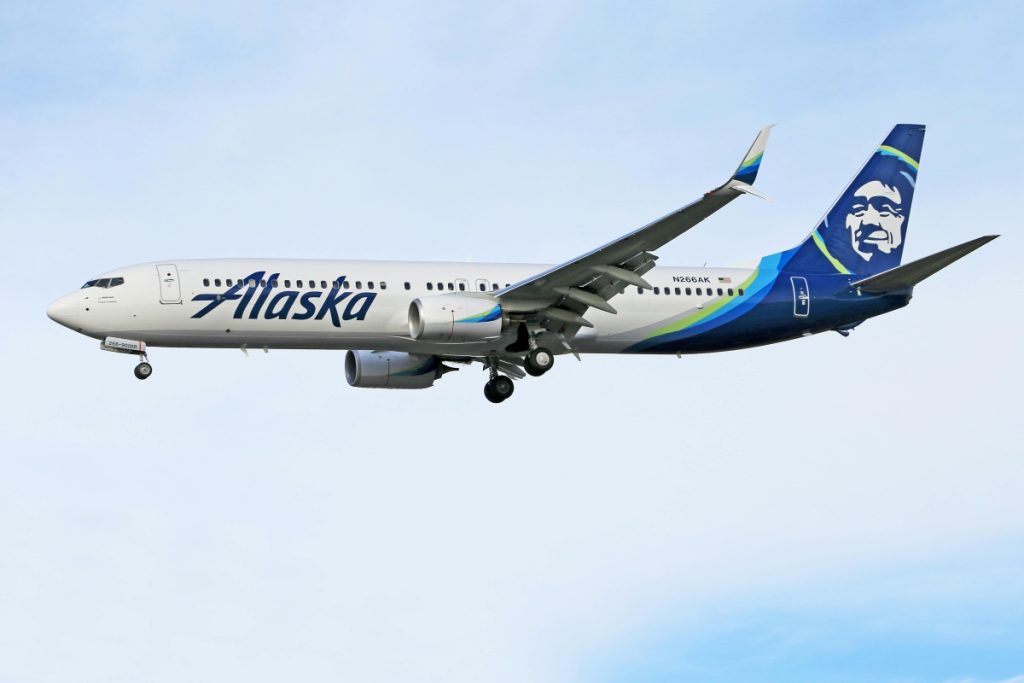
Alaska Air Group (Alaska Airlines and Hawaiian Airlines)
Alaska Air Group issued a flexible travel policy for Alaska and Hawaiian Airlines ticket holders who purchased their tickets on or before Nov. 6. This allows passengers who have planned to travel between Nov. 7 to Nov. 17 to change or cancel their flight up until the 21st without sustaining a difference in fare.
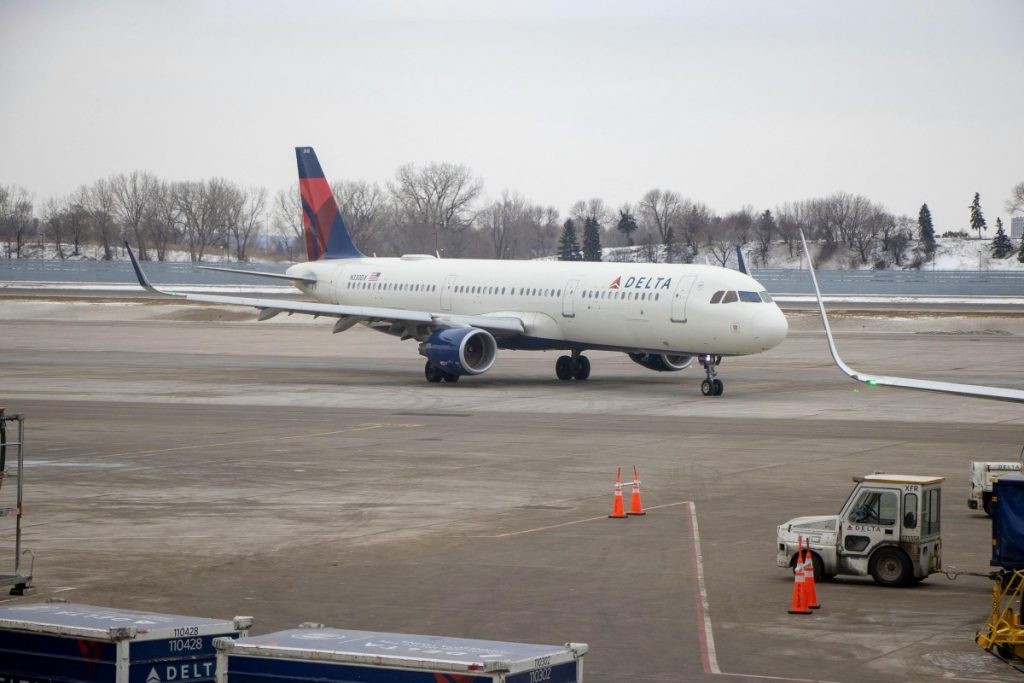
Delta Air Lines
Delta extended its travel policy to all 40 major airports affected by the FAA restrictions. Delta’s website states that travelers who booked flights to travel between Nov. 7 to Nov. 16 can rebook a flight until Nov. 21 without paying a difference in fare.
Delta also extended its policy to travelers who decide to not fly anymore, even if their flight is not delayed or canceled. If you do decide to cancel your trip, you can request a refund.
On the other hand, if your flight is canceled or delayed by a significant amount, you would be owed an automatic refund if you decide you do not want to travel.
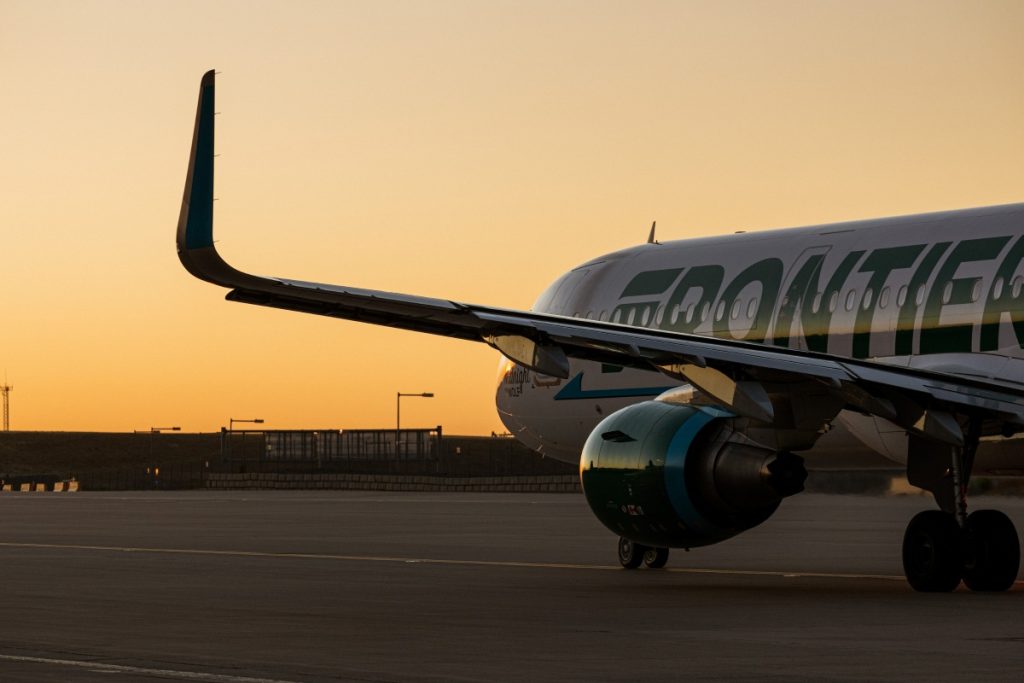
Frontier Airlines
While Frontier Airlines is reducing flights per the FAA regulations, the airline issued a flexible travel policy for those who have purchased a ticket before or on Nov. 5 and have planned to travel between Nov. 6 to Nov. 16. However, the departing city and destination should remain the same.
Frontier Airlines also noted that for those affected and wanting to change their flight would be subjected to a fare difference if the price of your new flight ticket is higher than the original. Additionally, if your new itinerary is lower in value, the remaining value will not turn into flight credit.
If you decide to cancel your flight, the money you spent on your ticket will turn into travel credit.
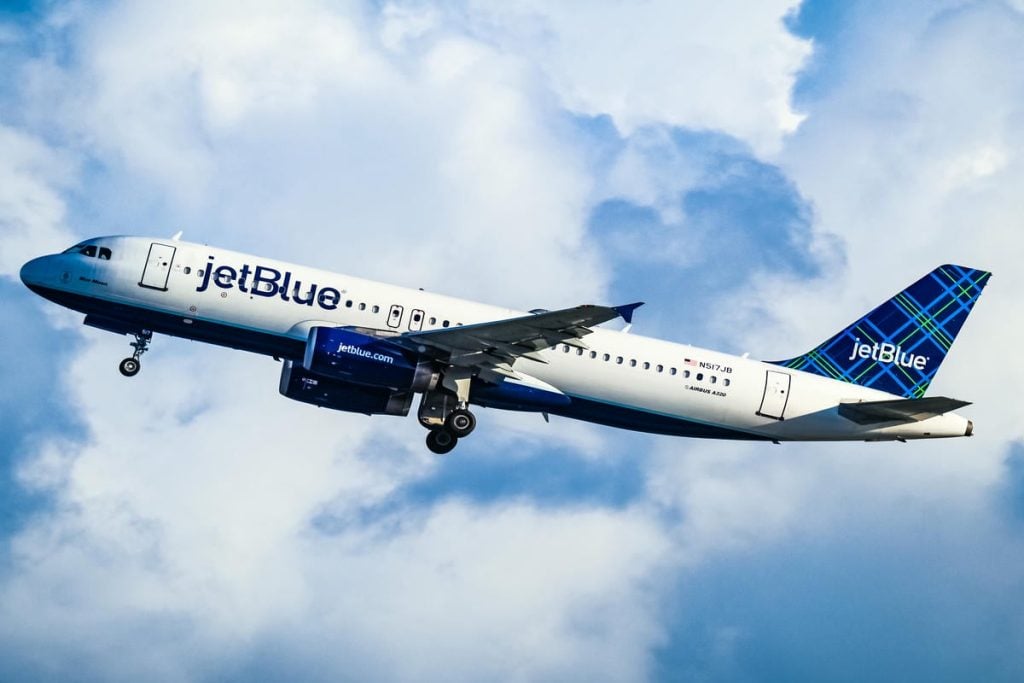
JetBlue
JetBlue issued a travel advisory for 21 airports that allows travelers with flights through Nov. 16 to rebook without fees or fare differences through Nov. 20.
Additionally, if there are travelers who decide to cancel for travel credit, they can complete JetBlue’s refund request form to receive 2,000 TrueBlue points as a thank-you gift. This can be beneficial for individuals who travel with JetBlue often.
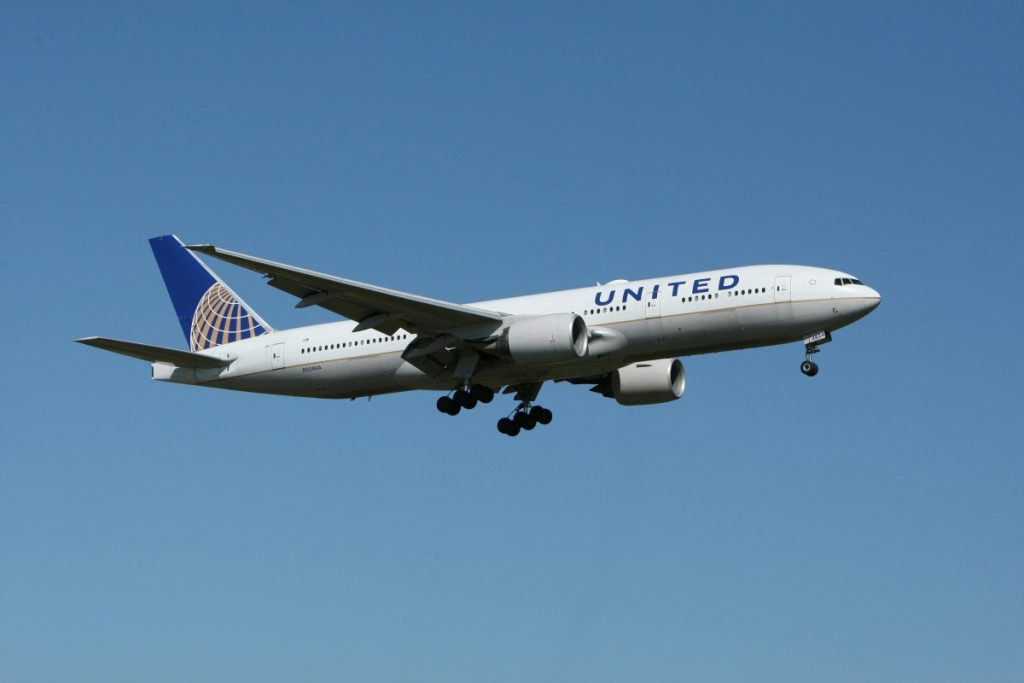
United Airlines
United Airlines is expected to offer 4,000 flights per day while the FAA regulations are in place. Regardless, United issued a travel alert for 10 affected airports.
If your flight is affected, you can reschedule your trip, and have change fees and fare differences waived. However, “… your new flight must be a United flight departing between 6 days before and 6 days after your original travel date,” according to United’s travel alert.
Additionally, even if your flight is not impacted, you may be eligible for a refund if you decide you do not want to travel anymore. This also includes non-refundable and Basic Economy tickets.

Spirit Airlines
Spirit released a statement under their travel advisory page stating that if your flight is affected, you will be reached out using the contact information under your flight reservation. If your flight is canceled and you decide not to travel, you may have the option to receive a full refund, or you can be rebooked on the next available flight from Spirit.

Southwest Airlines
If your flight has been canceled, Southwest states that you will be notified via the contact information you provided while booking your flight. Generally, Southwest will automatically rebook you on another flight. However, if your flight is canceled and you decide to not travel anymore, you are eligible for a refund. You can decide to not go and cancel at least 10 minutes before the new flight’s scheduled departure time.
If your flight is not canceled, you may rebook or travel standby if you have reservations between Nov. 7 and Nov. 13 without paying for the change in airfare. If you decide to cancel your trip that is scheduled between now and November 13, 2025, you may request a method-of-payment refund by completing the Ticket Refund form. This policy also counts for non-refundable flight tickets.
With the unpredictability of what may happen next, it is important to think about what you should do in case of a flight cancellation or delay.
My Flight Got Canceled, What Should I Do?
Act Quickly and Kindly
If your flight is canceled and you are already at the airport, the first thing you should do is to try to get in line to speak to a customer service representative. While waiting in the potentially long line, you can also try to call or go online to connect with additional customer support there.
Even though it can be stressful, it is important to come prepared and not act with anger when talking to an airline agent. Imagine there are 100 people who were expected to fly–that is 100 people the customer representative has to accommodate for. It makes a big difference on how you approach these kinds of situations, and acting nicely will go a long way.
Know Your Rights
Many airlines, including Southwest, JetBlue, and Alaska generally will automatically rebook you on to the next available flight, but you can still request a refund if you decide you do not want to take the next flight.
According to the U.S. Department of Transportation (DOT), flights that are significantly delayed or cancelled are entitled to a full refund if you wish to not accept an airline’s rebooking option, regardless of your flight ticket’s restrictions. However, most airlines are not subject to cover your hotels and other expenses if you do decide to cancel.
How Travel Insurance May Help
If you purchased a travel insurance plan before the government shutdown was announced on September 30, 2025, you may be eligible to get reimbursed for up to 100% of your prepaid, nonrefundable expenses. Since many travel insurance plans cover “unforeseeable events,” plans that were purchased before the government shutdown may be eligible to recoup the costs of your flights, hotels, and prearranged transportation.
Even though many policies do not typically reimburse you for a government shutdown, some policies may cover related events due to the government shutdown such as if your flight is delayed due to staffing shortages and you need to stay at a hotel overnight.
If you have not purchased a travel insurance plan yet, it is not the end.
Sometimes, travel insurance is not thought about until an expected event happens. If you bought a policy after the government shutdown, you may still be eligible for other benefits.
Consider Cancel For Any Reason (CFAR) Insurance
Many travel insurance plans offer Cancel For Any Reason (CFAR) insurance as an optional add-on that allows you to cancel no matter the reason. If you want to be able to cancel your trip just in case you are worried about traveling during the government shutdown, this may be good for you. CFAR allows you to cancel for reasons that are not covered by your standard travel insurance while recouping up to 75% of your prepaid, nonrefundable expenses.
Compare Travel Insurance Plans
Reading through multiple policies can be time-consuming, especially when you just want to know if your travel insurance covers government shutdowns or not. Calling your insurance company or reaching out to our team of licensed insurance specialists can give you better guidance with the process of choosing a plan and clarifying what’s included, especially in situations like a shutdown.