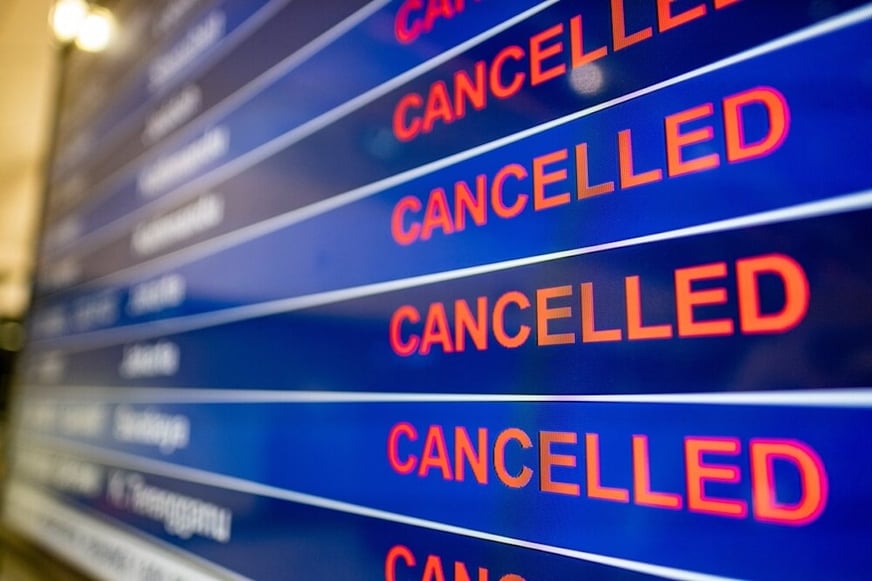
What to Do If You’re Stranded Mid-Trip
If you find yourself stuck mid-journey, unsure of what to do next, here’s a step-by-step guide to help you manage the chaos, regain control, and stay protected.
1. Stay Calm and Collect Facts
- Open your airline’s app, visit their website, or check their official Twitter/X account for live updates on your flight, and the news about the airlines overall.
- Confirm the status of your flight. If there’s an IT outage or mass cancellations due to war or conflicts, digital systems may lag, in which case, keep an ear out for public announcements.
- Pro tip: Ask a gate agent politely for internal updates. They often receive information before it goes public.
- Stick to secure airport areas. Don’t leave luggage unattended.
- Use the DOT website for latest updates on policies & news.
2. Try to Contact the Airline or Travel Agent to Make Rebookings
- Get in line at the customer service desk while also calling the airline, to get actual updates from them, and check about the next available flight that you can be booked on to.
- If you booked via Expedia, Priceline, or another online travel agency, reach out to them too, they might be able to help with quicker rebooking.
3. Ask About Compensation, Meal or Hotel Vouchers
- You may be eligible for food or hotel vouchers if delays extend overnight, check with ground-staff of your airlines about the same.
- Be persistent but polite with the staff as with system-wide failures, staff are overwhelmed.
- Document everything: names of staff you speak with, voucher details, and wait times that you are being told.
4. Stock up on Essentials: Food, Water, Charging, Wi-Fi
- Locate charging stations or bring out your backup power bank, make sure you have enough battery for an overnight waiting period at the airport.
- Consider purchasing a day pass to an airport lounge for comfort.
- Save all emails, app live-updates, and receipts of whatever you spend (on food or other amenities) related to the delay, you’ll need these later for insurance claims.
What Does Travel Insurance Cover When Flights Get Canceled or Delayed?
When your flight gets grounded out of nowhere, it’s stressful, chaotic and also very expensive. You may find yourself scrambling to book a last-minute hotel room, cover extra meals, arrange new transportation, or figure out how to get back on track with your itinerary. All of these costs can pile up quickly.
That’s exactly where trip insurance becomes your financial and emotional safety net. Here’s how it helps:
- Trip Delay Coverage: If your flight is delayed, rerouted, or grounded for several hours, this benefit kicks in to cover reasonable expenses like meals, local transportation, and overnight hotel stays. Instead of eating the cost of an unplanned airport stay yourself, you could be reimbursed for keeping yourself comfortable and fed.
- Cancel for Any Reason Coverage: Cancel for Any Reason is a strong add-on to travel insurance that many people opt for. Say you have your trip all booked but you have to ultimately cancel your trip. If it is a covered reason under standard trip insurance like denied PTO, a medical emergency, etc. then you get coverage. But what if you just want to cancel because you don’t feel like traveling or something came up? This is what CFAR is for. It allows you to cancel for any reason at all as little as 48 hours before your trip and still get 50%-75% of your nonrefundable costs back, no questions asked.
- Trip Interruption Coverage: Imagine you’re halfway through a vacation and suddenly need to return home due to a medical emergency, family crisis, or travel disruption. Trip interruption insurance reimburses the unused portion of your trip and helps pay for the cost of returning home early.
- Missed Connection Coverage: Say your flight delay causes you to miss a connecting flight, cruise departure, or a prepaid tour. This benefit helps cover the additional costs you incur to catch up with your itinerary or rejoin your trip.
- Accident & Sickness Coverage: Included in many trip insurance plans, this coverage can help pay for emergency medical care if you get sick or injured unexpectedly while traveling. Since coverage details vary by plan, it’s important to review your policy’s description of benefits to understand exactly what’s included.
What Is the Best Travel Insurance for Flight Cancellations?
Best Affordable Travel Insurance Plan with Coverage for Delays and Cancellations: Battleface Discovery
Best Overall Cancel for Any Reason Travel Insurance: iTravelInsured Choice
Best Travel Insurance with High Coverage: Atlas Journey Premier
How to File a Trip Insurance Claim
Considering you did have a trip insurance plan which covered an unexpected travel interruption or trip delay or cancellation, here’s a list of documents you will need to file a claim:
Documents for Trip Insurance Claims
- Insurance ID card
- Copies of your passport
- Police reports (for theft or accident-related claims)
- Flight cancellation confirmations, baggage delay reports, and trip interruption proof
- Proof of payment (for any expenses paid out-of-pocket)
Top 6 Airlines with Fewer Delays
As per Airline performance in the last six months as per DOT, the following aircrafts fare better than others on the “on-time” parameter. Please note that in the aviation industry, “on-time” includes a grace period of 15 minutes.
- Republic Airways
- United
- Hawaiian
- Delta
- Spirit
- Southwest
Bonus Tips: What You Can Do to Prepare for the Next Time
You can’t prevent delays, but you can be ready for the unexpected parts of your journey with the right protection and insurance:
- Buy travel insurance that includes trip delay and interruption coverage
- Carry a backup power bank and printed copies of your travel documents
- Enable real-time notifications from your airline’s app
- Avoid tight layovers or back-to-back bookings during high-traffic seasons
- Consider CFAR plans for more control & flexibility over your trip cancellation
Where’s the Best Place to Get Travel Insurance?
One of the biggest benefits of using an online marketplace is that they are designed to allow you to quickly compare and contrast top plan options so you can find a plan that suits your needs while still sticking close to your budget. So, if the time comes, that your flight cancels on you, then you know you can be at peace of mind because your travel insurance will handle this mess for you.
And, at any time, should you feel lost or confused through the process, you can reach out to our team of licensed insurance specialists, who can guide you through the process of choosing a plan or even filing a claim, if the time ever comes.